Electrolyte visible on the PCB; corrosion or fishy smell present.
18 repair logs
 +41 photosWork in progress
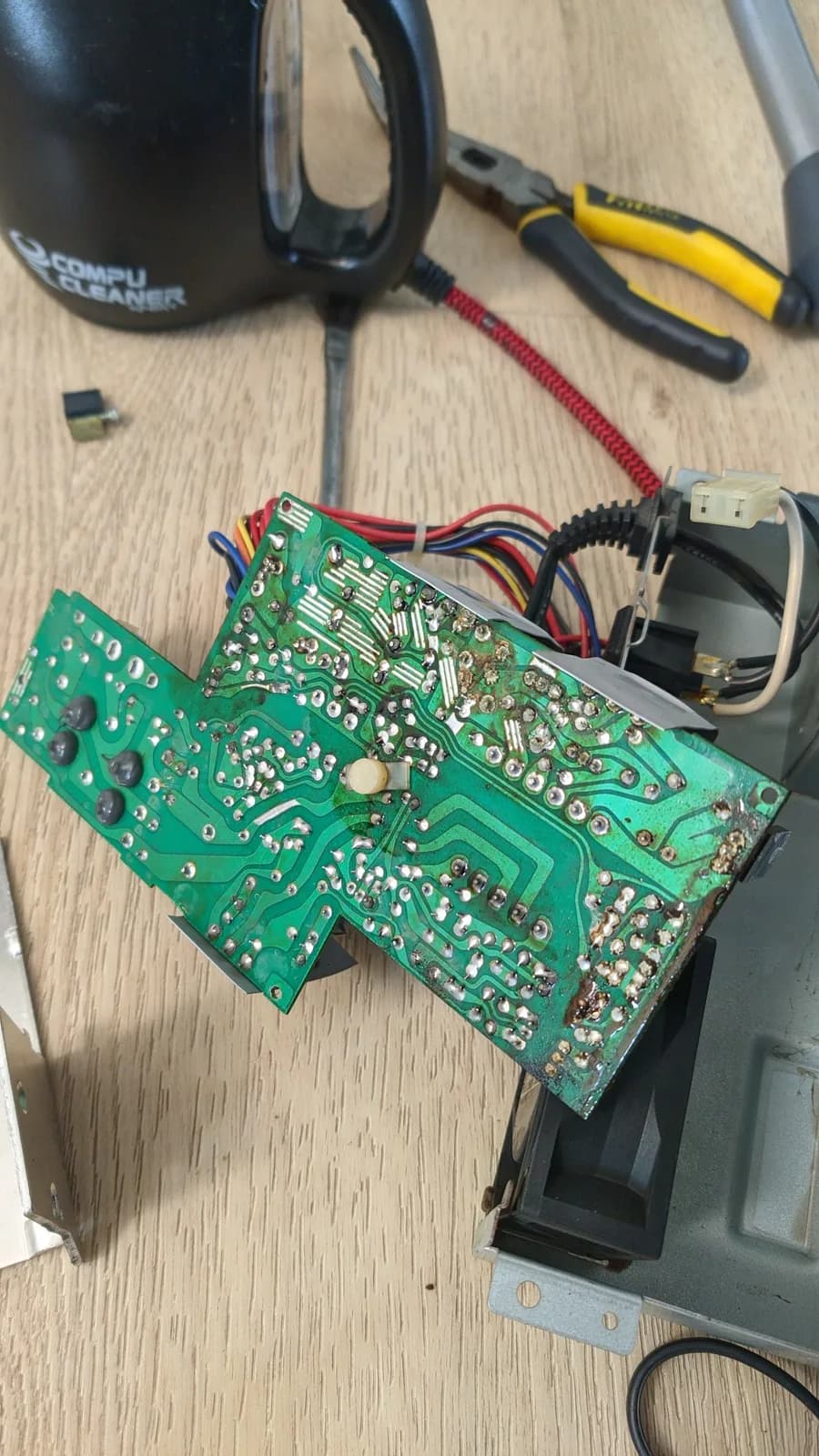
Sharp — X68000 XVI Compact
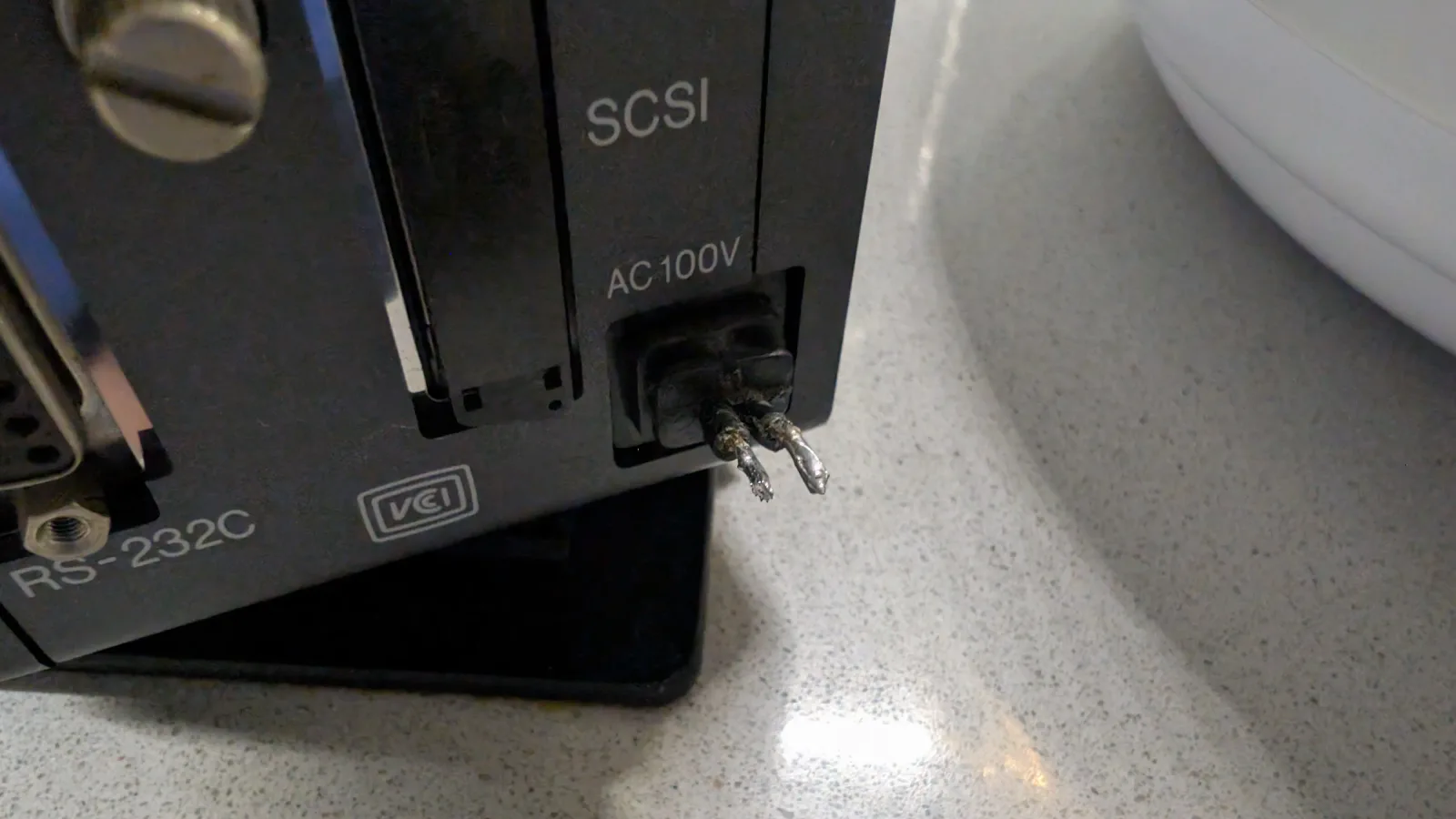
Won at auction with its mains cord cut clean off the PSU, taken as a gamble at a below-market price. A replacement lead was spliced in from another Japanese cord using solder-ring heatshrink sleeves, with extra insulation over the joint. It powered on once, then refused entirely, so the PSU came out for a recap: fully decapped, scrubbed with white vinegar and isopropyl, new capacitors fitted and marked, and every joint on the solder side reflowed. That brought it back reliably and it booted Human68k from disk. The rest of the machine was worse, with electrolyte contamination on every capacitor pad on every board. SMDs came off the mainboard and the expansion card, the pads were reworked with fresh solder, flux and braid until all were clean and none lost, then the through-hole electrolytics followed. The floppy drives had leaked internally and were recapped with their motor shafts cleaned and lubricated, and the peripheral input board's single capacitor was replaced. Still powers on after reassembly, pending fuller testing.
 +84 photosSuccessful repair
Sega — Wondermega
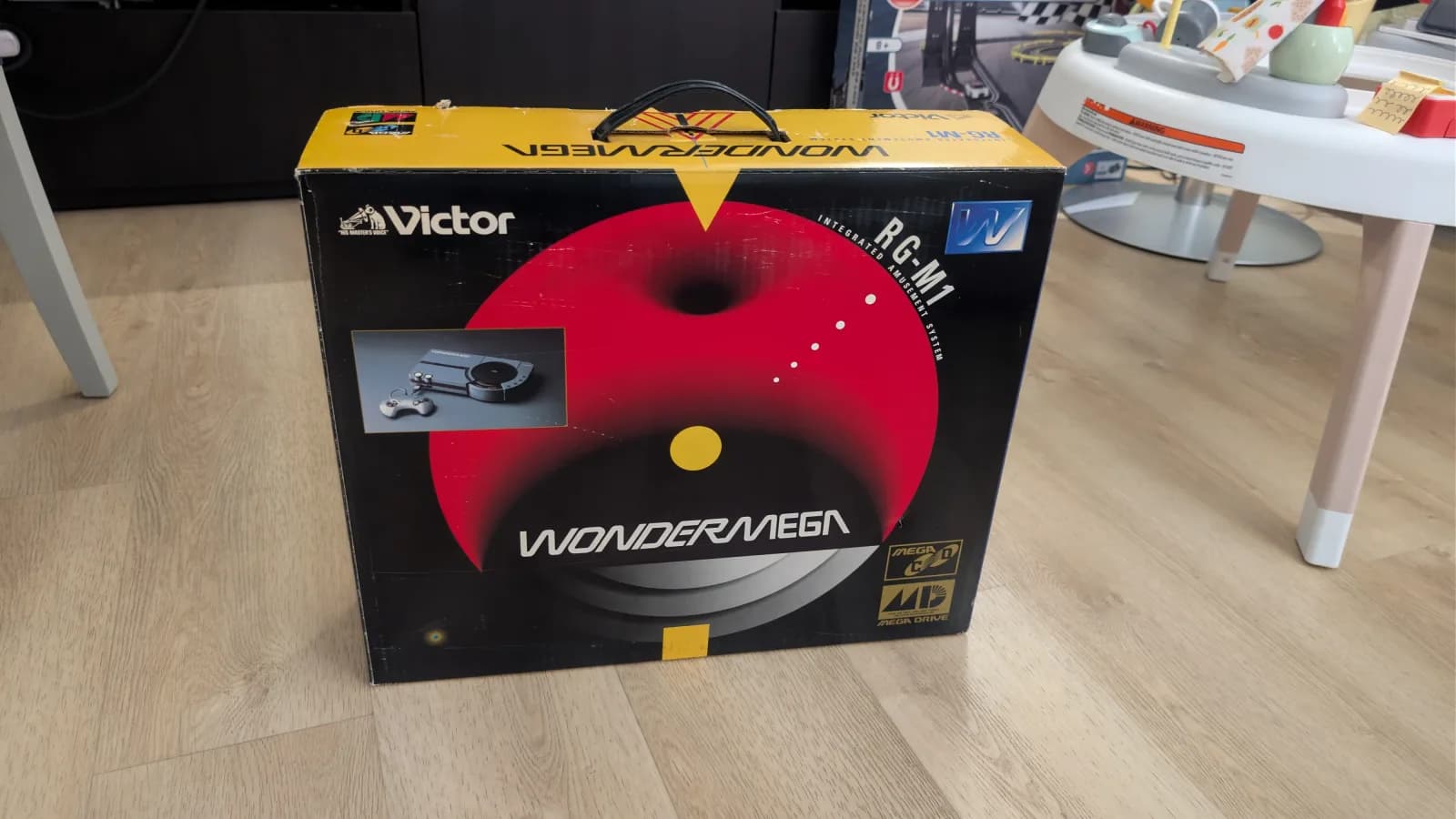
Someone else's Victor RG-M1 Wondermega, JVC's branding of the Sega Wondermega, sent in for refurbishment and described as fully functional. It arrived with a blown supercapacitor and a loose capacitor rattling around inside the shell, later traced to a pad beside the DC input jack where the machine had taken a hard knock. Carts played happily but it would not read a single CD. A full recap followed, roughly 70 capacitors across every board, with white vinegar and isopropyl baths, flux and fresh solder over dodgy vias and the regulators, and DeoxIT through the karaoke pots and microphone jacks. The cart side came back fine, the CD side did not. A detour along the way cured the vertical jailbars on the composite and S-video outputs with an Oleg Endo RGB kit, tapping the Sony CXA1145M encoder and swapping the stock S-video port for a Saturn-style DIN. The supercapacitor was replaced and later superseded by an F-RAM install. The CD fault survived a complete chassis swap, a clean bill of health on every board and a working spindle motor, which left the laser. The owner sourced new old stock, and once it was fitted and its board recapped in turn, the machine read both originals and backups. Finished with UV protectant and packed up.
 +34 photosSuccessful repair
NEC — PC Engine LT
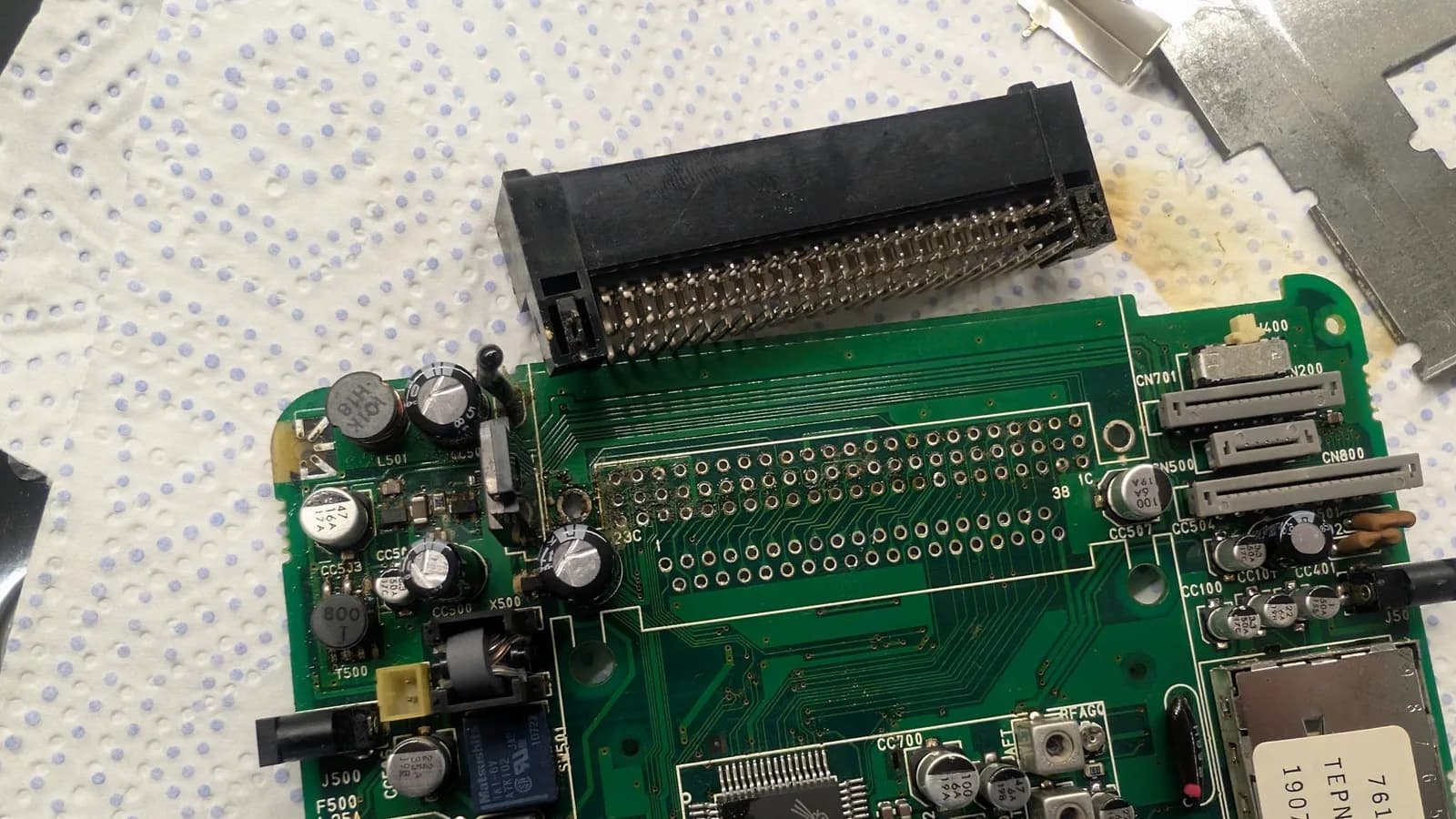
An epic of strife, perseverance and adaptation. The NEC PC Engine LT is the 1991 laptop-format PC Engine with a built-in colour LCD. Almost always dead from cap leakage. This one needed a full recap, a new voltage regulator, and an off-the-shelf voltage inverter module to replace the T500 LCD bias transformer, killed by the electrolyte. Without that, the screen stays dark.
 +26 photos
Sega — Wondermega
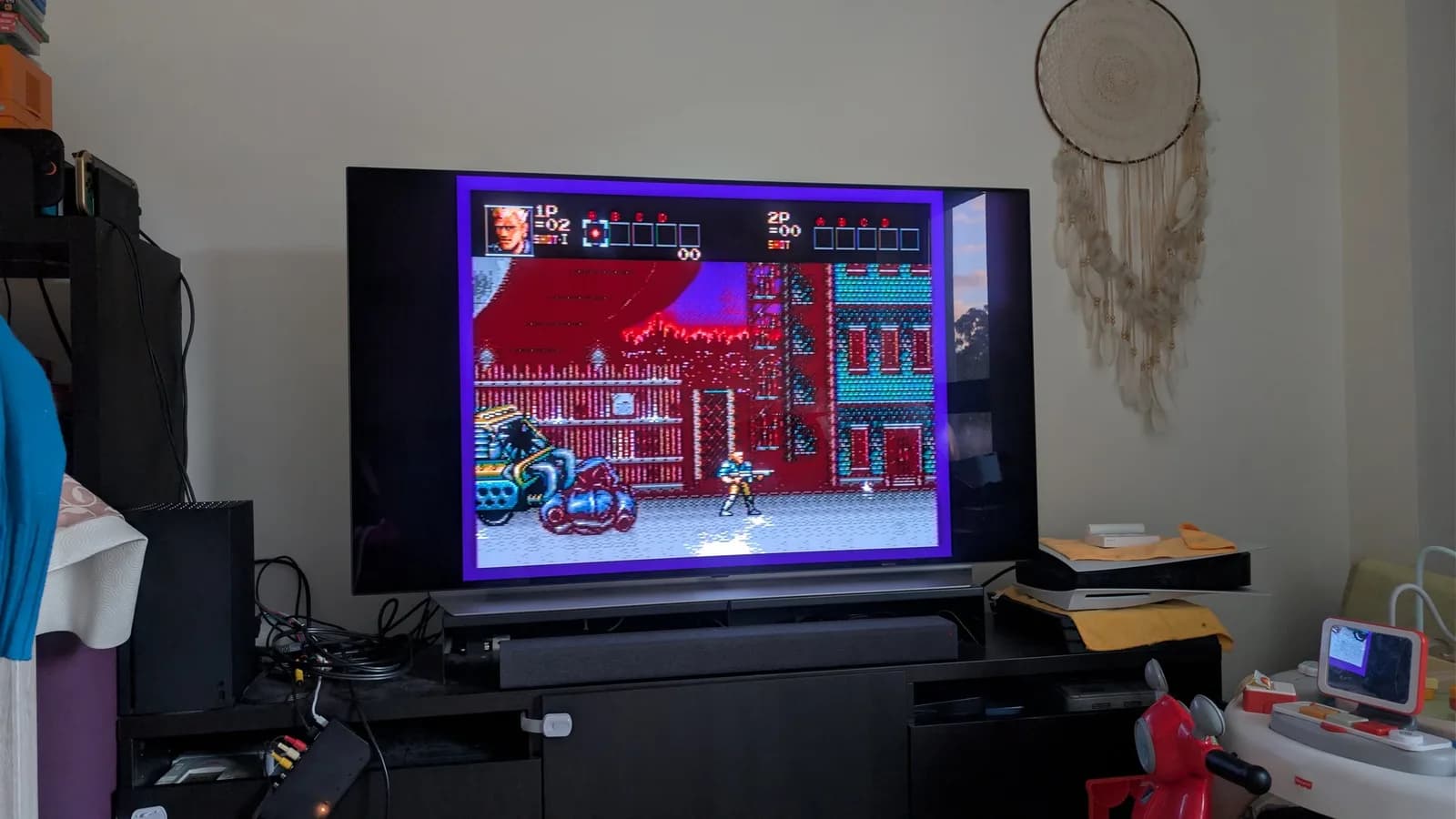
A pig to take apart and put back together, but the end result speaks for itself. Both the Mega Drive and Mega-CD sides of this Sega Wondermega HWM-5010 are fully operational. Later fitted with an Oleg Endo RGB kit: a tap board on the Sony CXA1145M encoder, the factory bodge wire and stock S-video port removed, and a Saturn-style DIN in their place with audio, composite and power wired across. Clean RGB at last, without the artifacts and ringing of the stock composite and S-video outputs.
 +4 photos
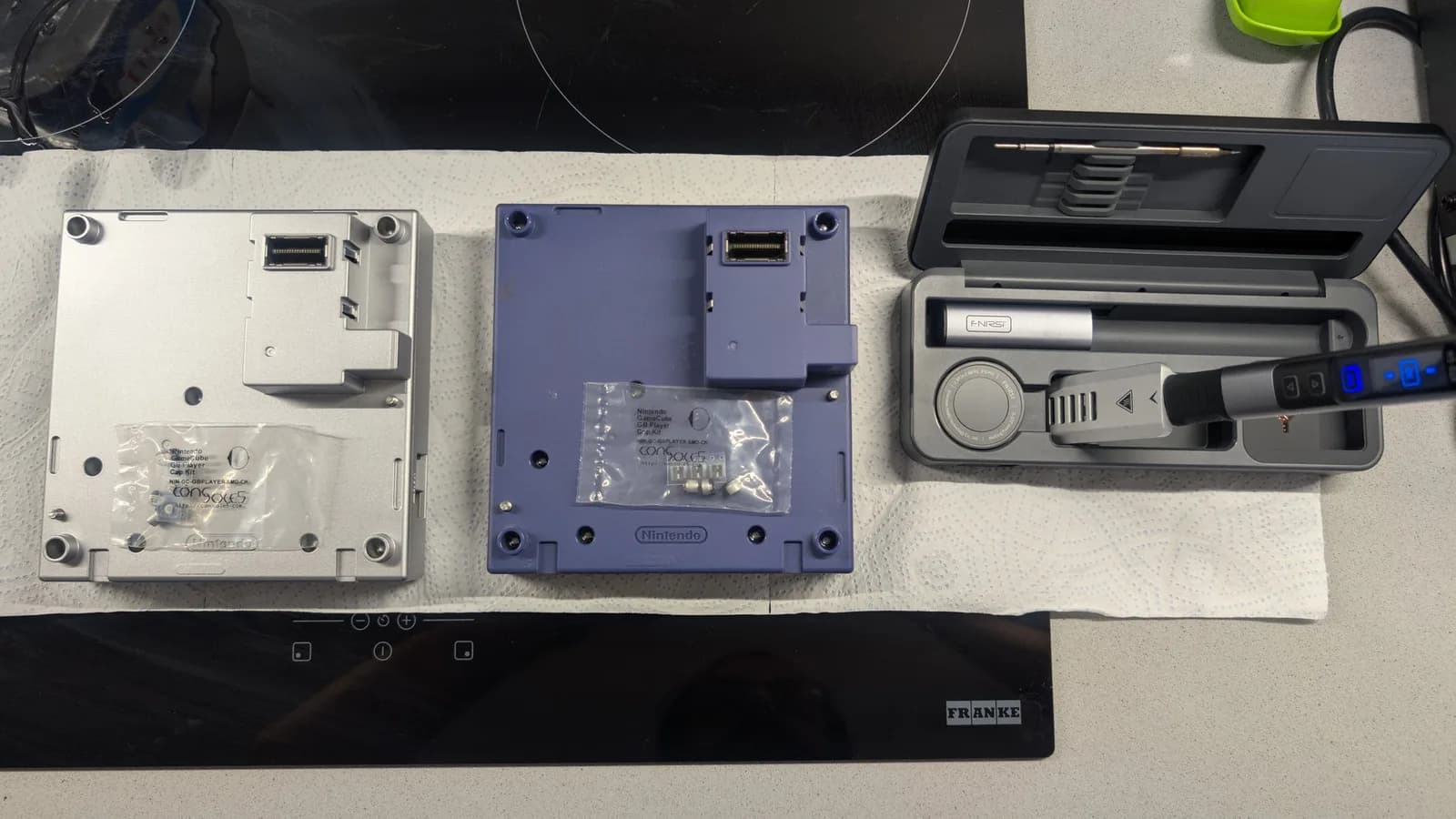
Nintendo — Game Boy Player
The first time I've actually encountered genuinely leaking capacitors in Nintendo Game Boy Player (DOL-017) units. These were memorable for that alone.
 +55 photosCould not fix
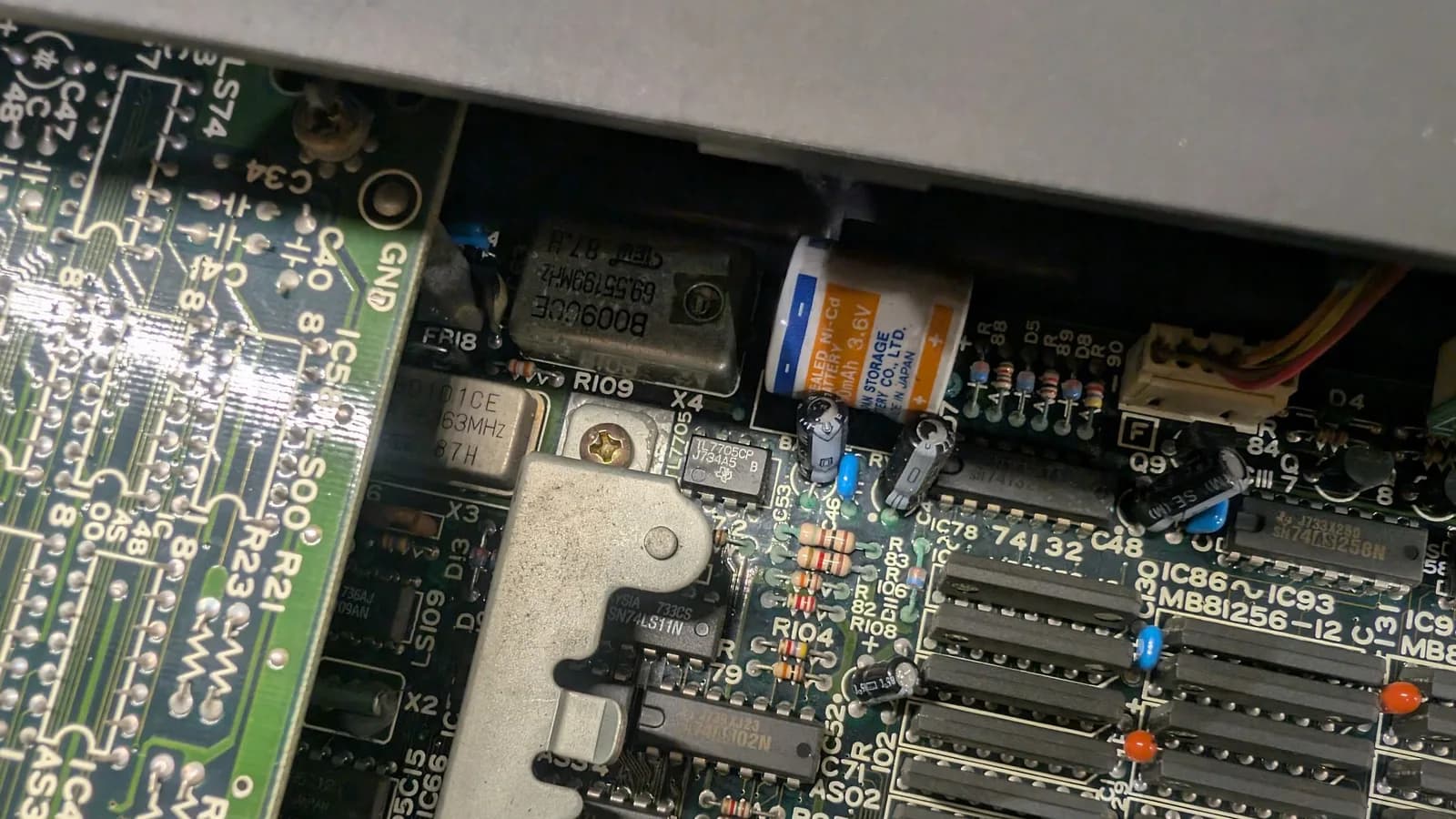
Sharp — X68000
A proper exercise in stubbornness on this Sharp X68000. Two rounds of repair, a full recap, FDD surgery (one of the floppy drives had clear signs of a blown capacitor with charring on the PCB), a new oscillator, and still no picture. The X68000 remains on the 'future date' pile.
 +135 photosPartial fix
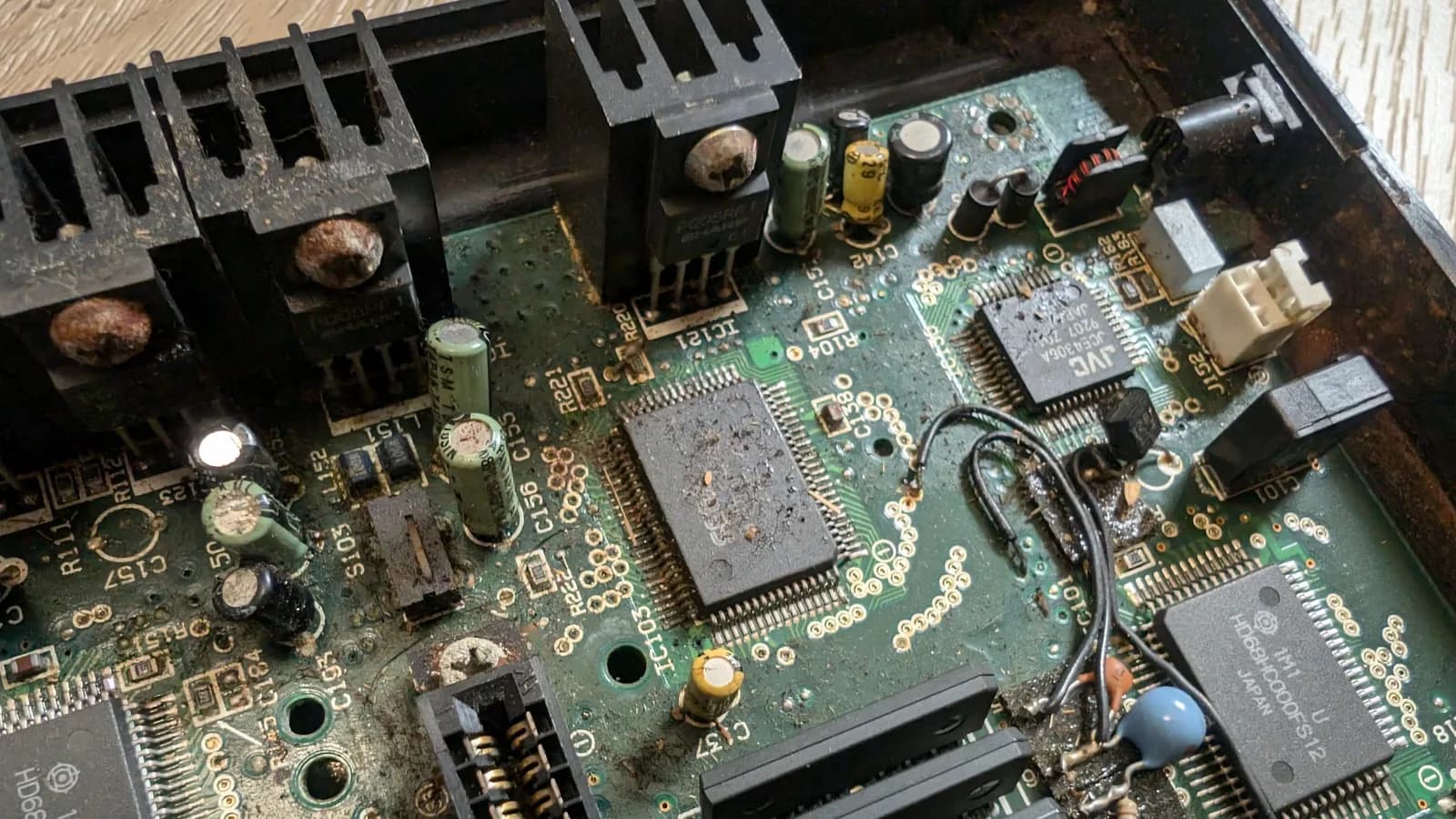
Sega — Wondermega
Absolute labour of love on this Sega Wondermega HWM-5010 from Japan: corrosion, missing components, broken traces and a RAM package with broken legs. The Mega Drive side eventually came back to life; the Mega-CD side continues to freeze on the BIOS animation, defying everything thrown at it.
 +40 photosPartial fix
Sharp — X68000 Pro II
Proper saga on this Sharp X68000 Pro II. Magic smoke from a reversed capacitor, an accidental probe short, and enough replaced components to fill a parts drawer before a single faulty transistor finally gave the game away. Got it booting and running R-Type, which was a hard-earned win. Video output later stopped working, so the story isn't entirely over.
 +21 photosSuccessful repair
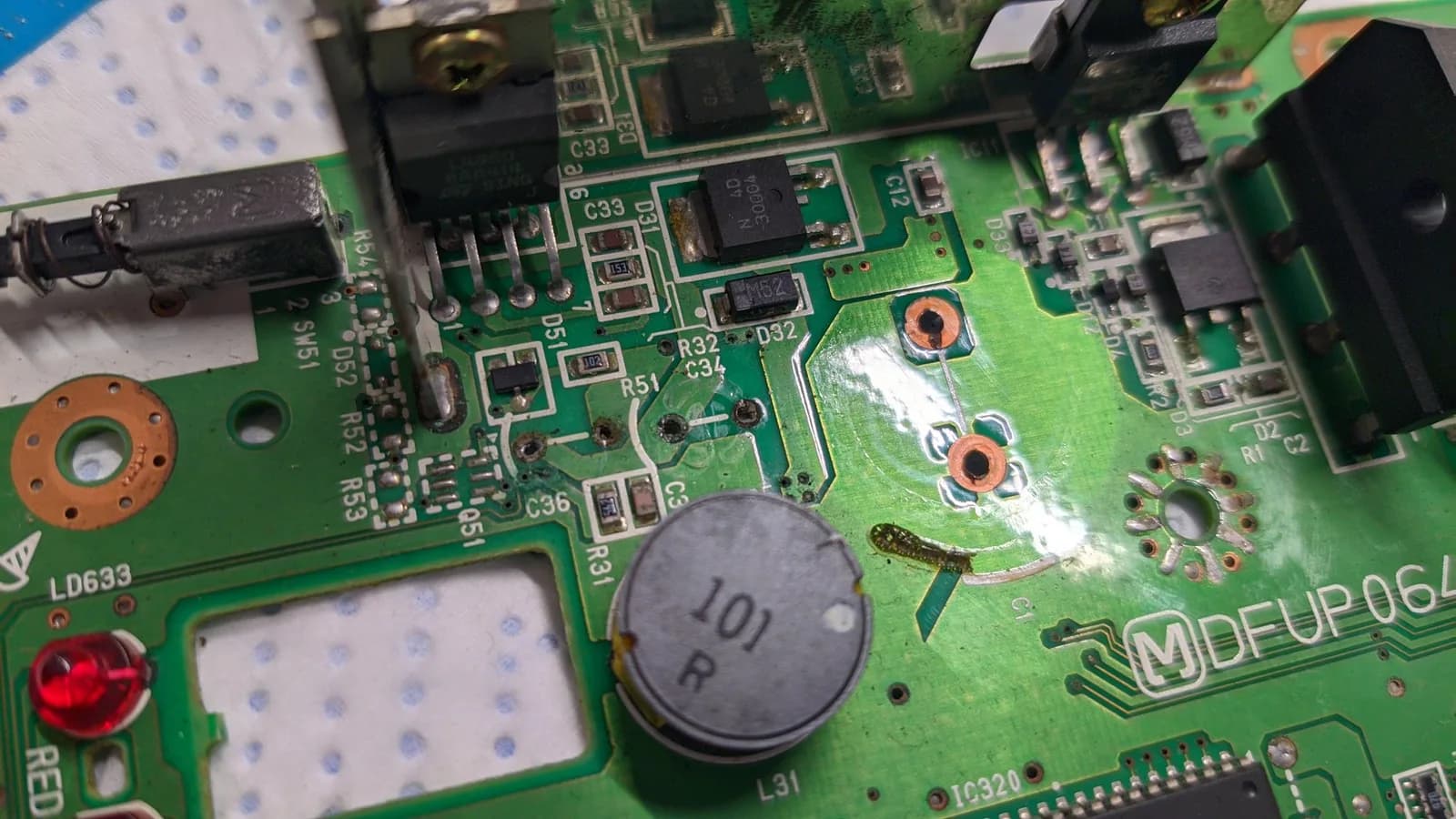
3DO Company — Panasonic FZ-1
This is the Panasonic FZ-1 3DO whose laser went to save its sibling. With the drive dead anyway, a full recap and an ODE installation was the logical conclusion.
 +32 photosSuccessful repair
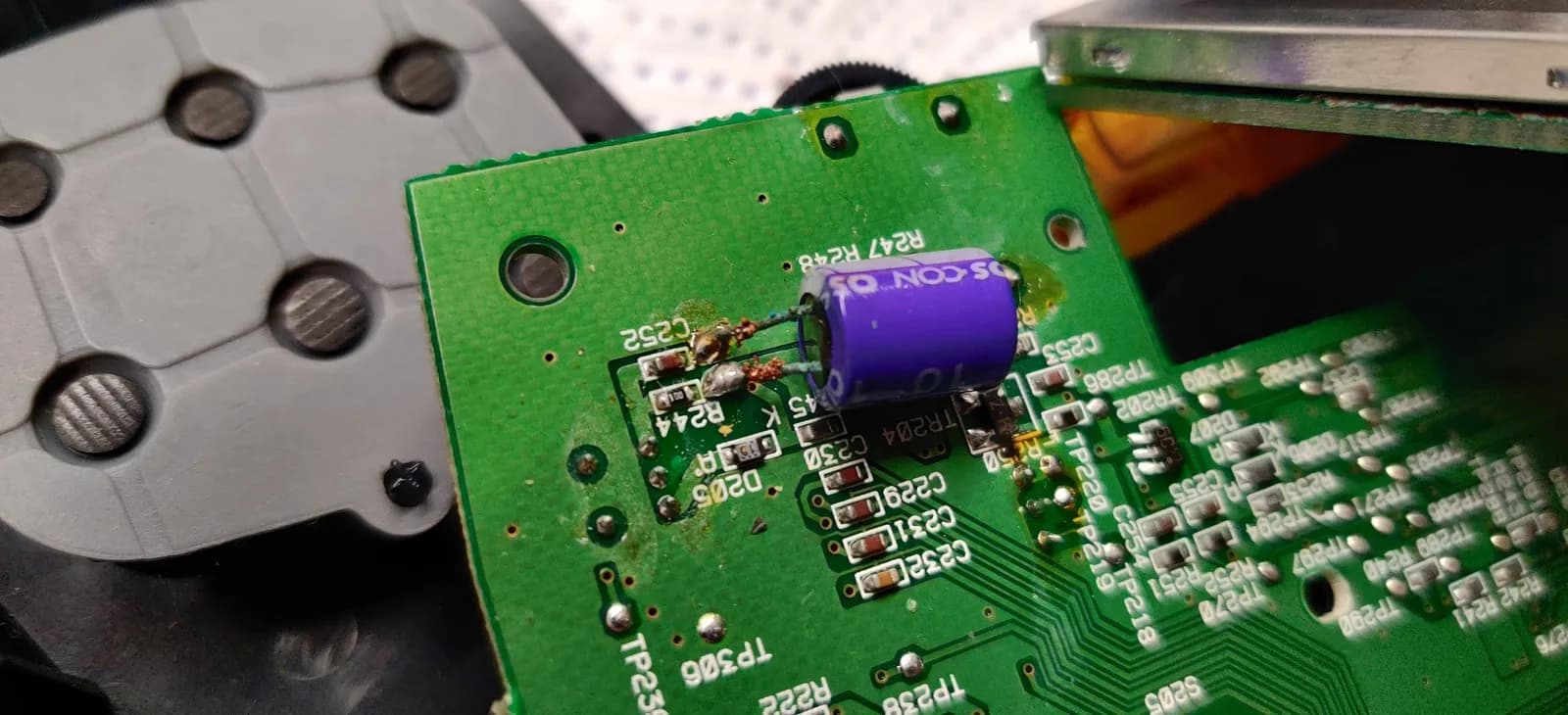
Sega — Nomad
Sega Nomad with a broken aftermarket screen, brought back to life. Plus physical mods to restore CD audio mixing and add Master System game compatibility, both omitted from the original Nomad's design.
 +15 photosPartial fix
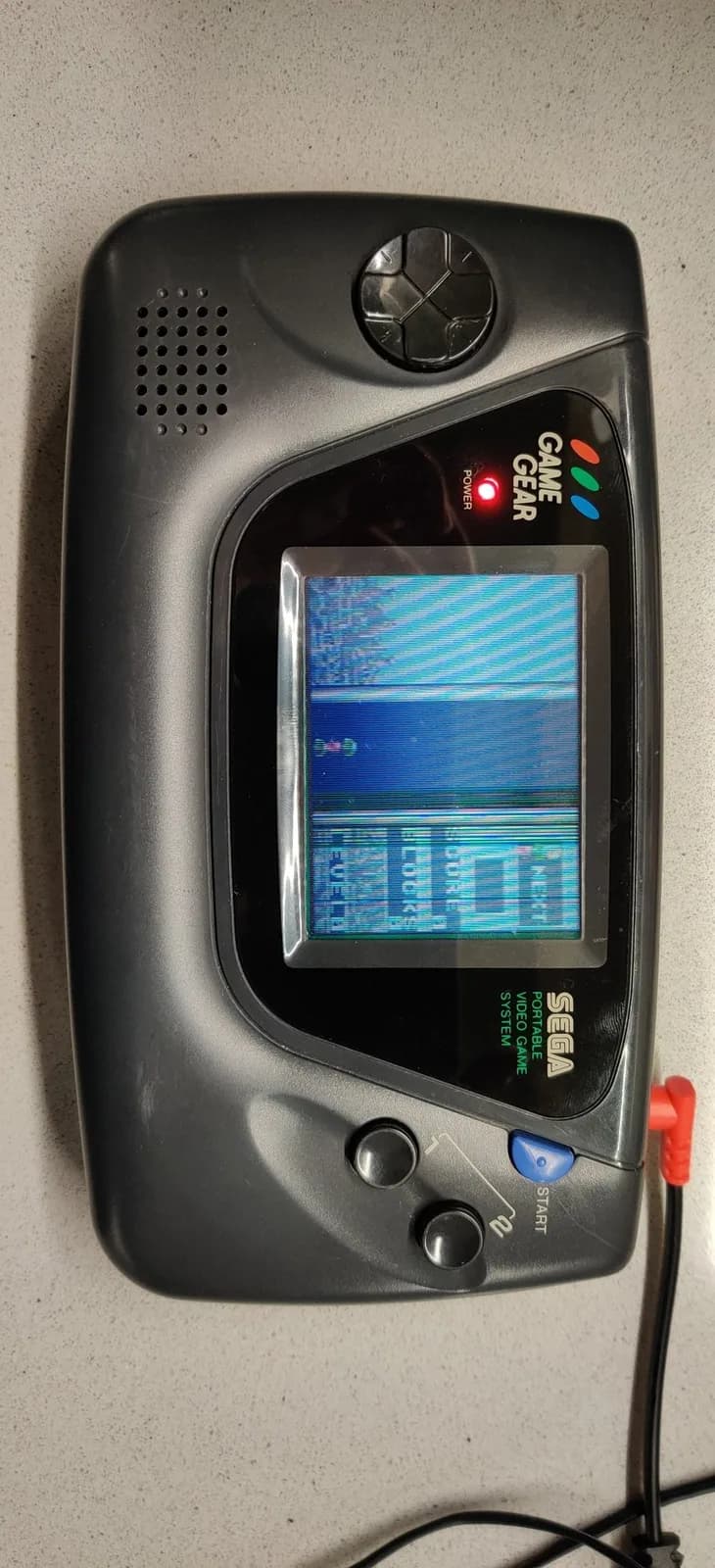
Sega — Game Gear
Two heavily contaminated Sega Game Gears, so badly that components were falling off the boards from the electrolyte. Many hours in, one has a partially defective screen and the other boots and plays audio with no picture. A partial result after a massive effort.
 +4 photosSuccessful repair
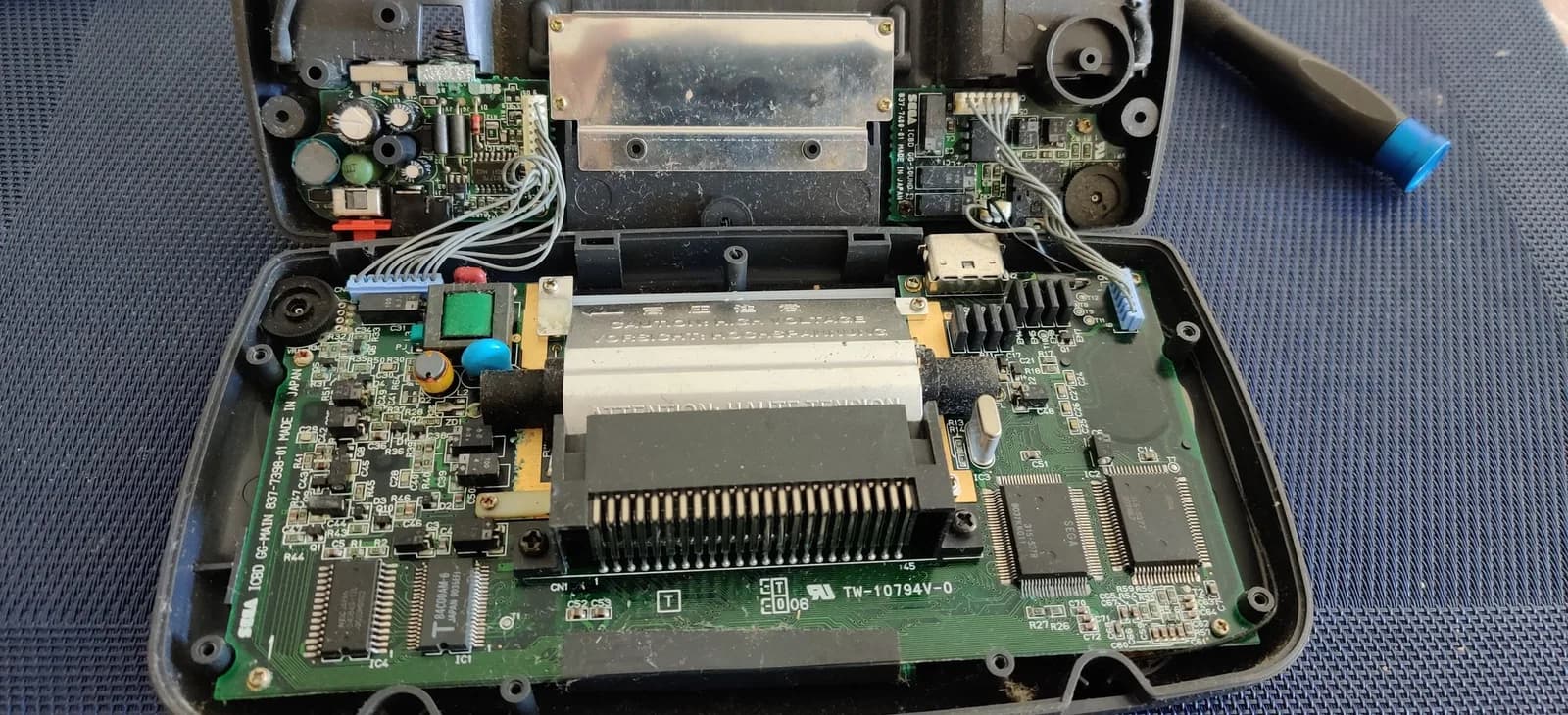
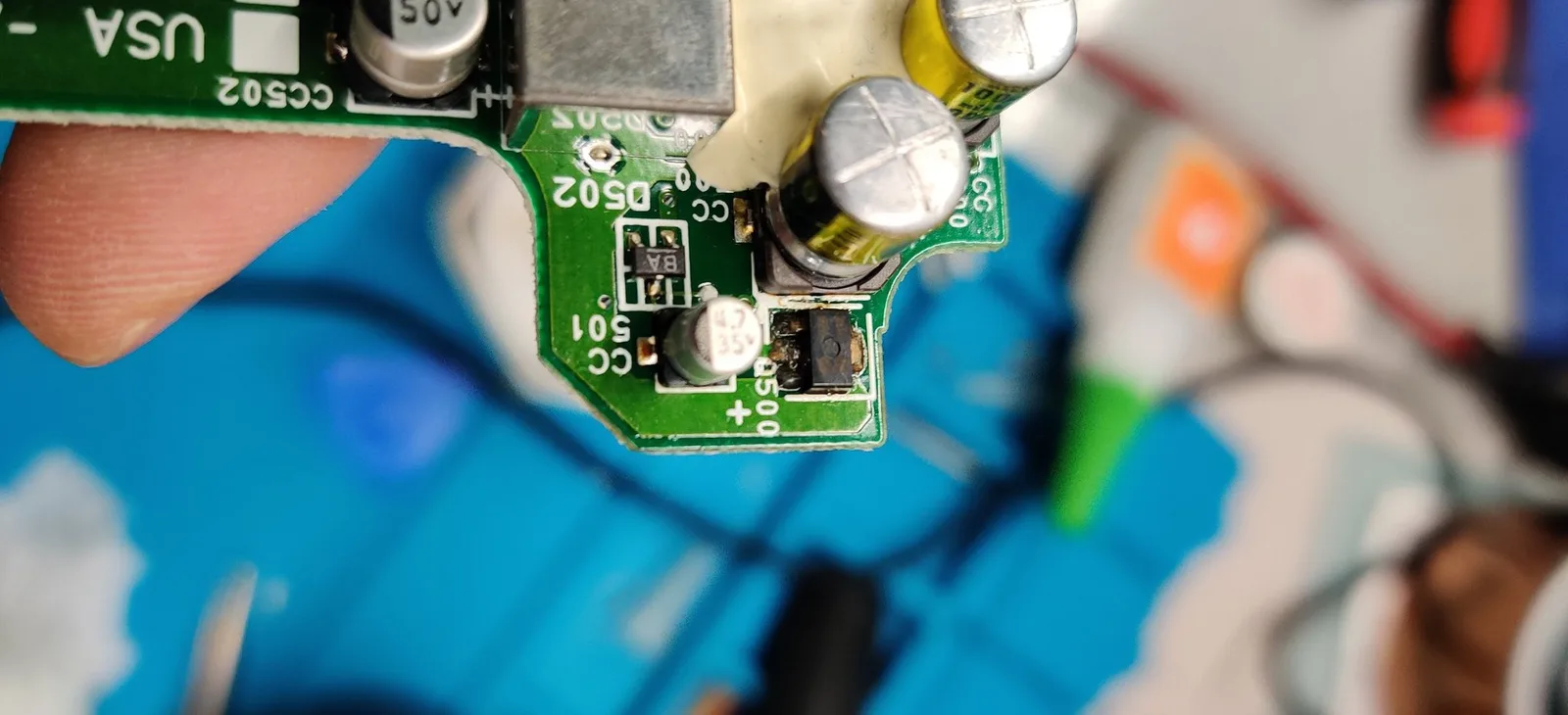
Sega — Game Gear
Should have been binned, but wasn't. This Sega Game Gear required replacing every capacitor and reflowing every solder joint before it became reliable, but it got there. Gift for a friend.
 +6 photosSuccessful repair
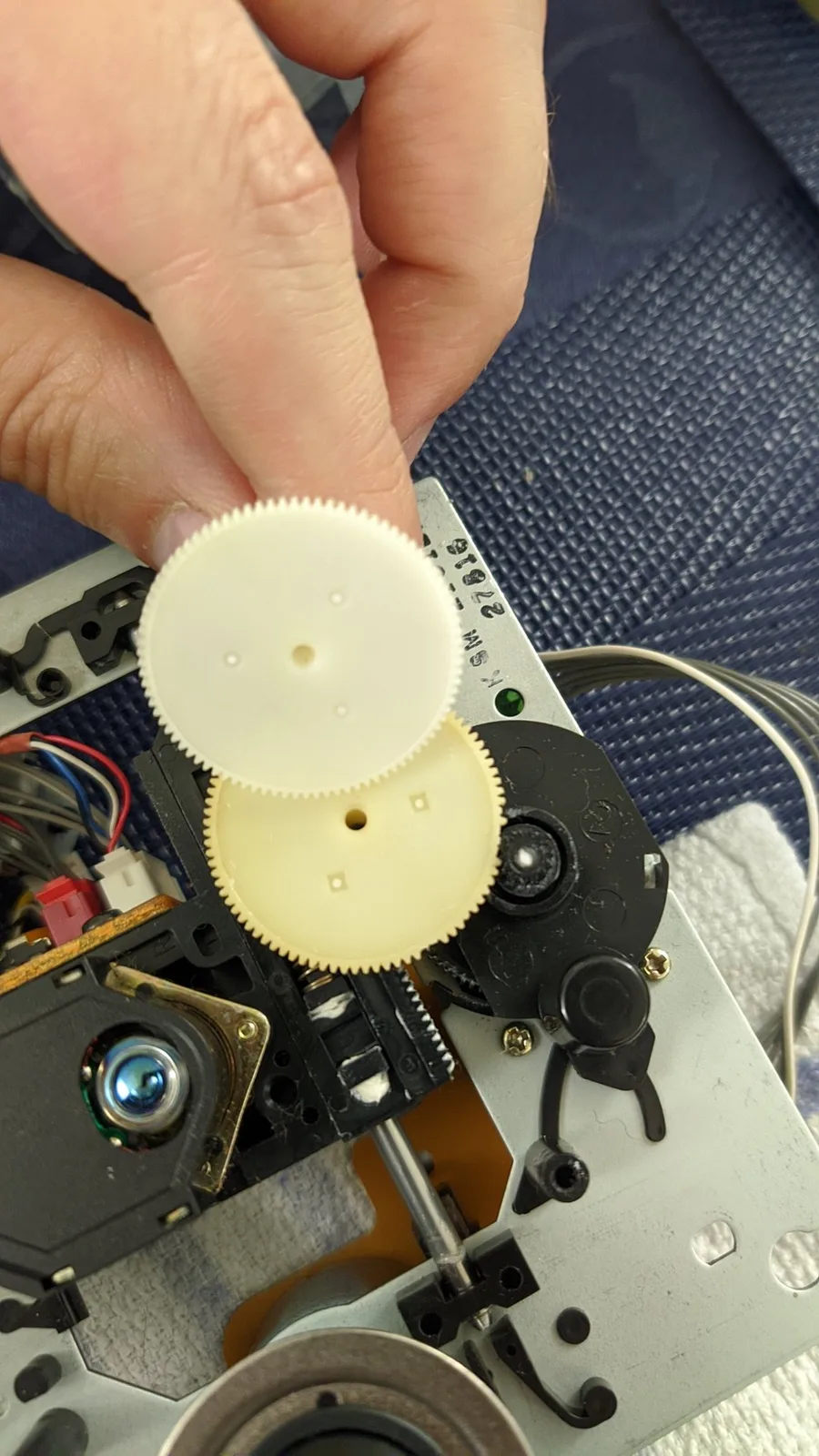
NEC — PC Engine GT
Every single capacitor on this NEC PC Engine GT handheld had leaked. A careful removal technique preserved all the pads and it came out the other end clean and happy.
 +11 photosSuccessful repair
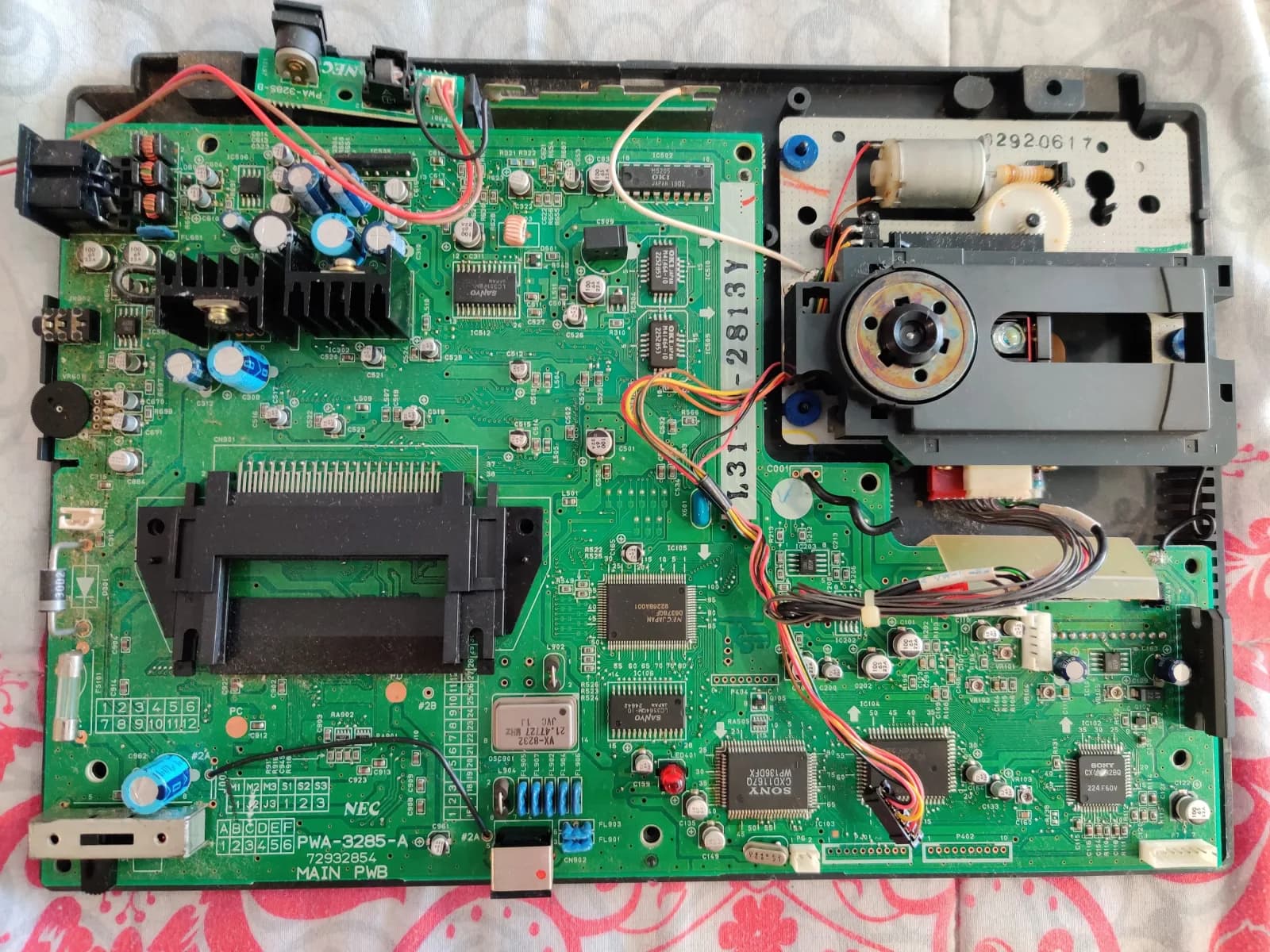
NEC — PC Engine Super CD-ROM2
This NEC PC Engine Super CD-ROM² gave me a scare mid-recap when it lost the picture entirely. Turned out to be a resistor knocked off during SMD cap removal; found it on the paper towel and put it back. Also gained a new transport gear and an RGB amp.
 +27 photosSuccessful repair
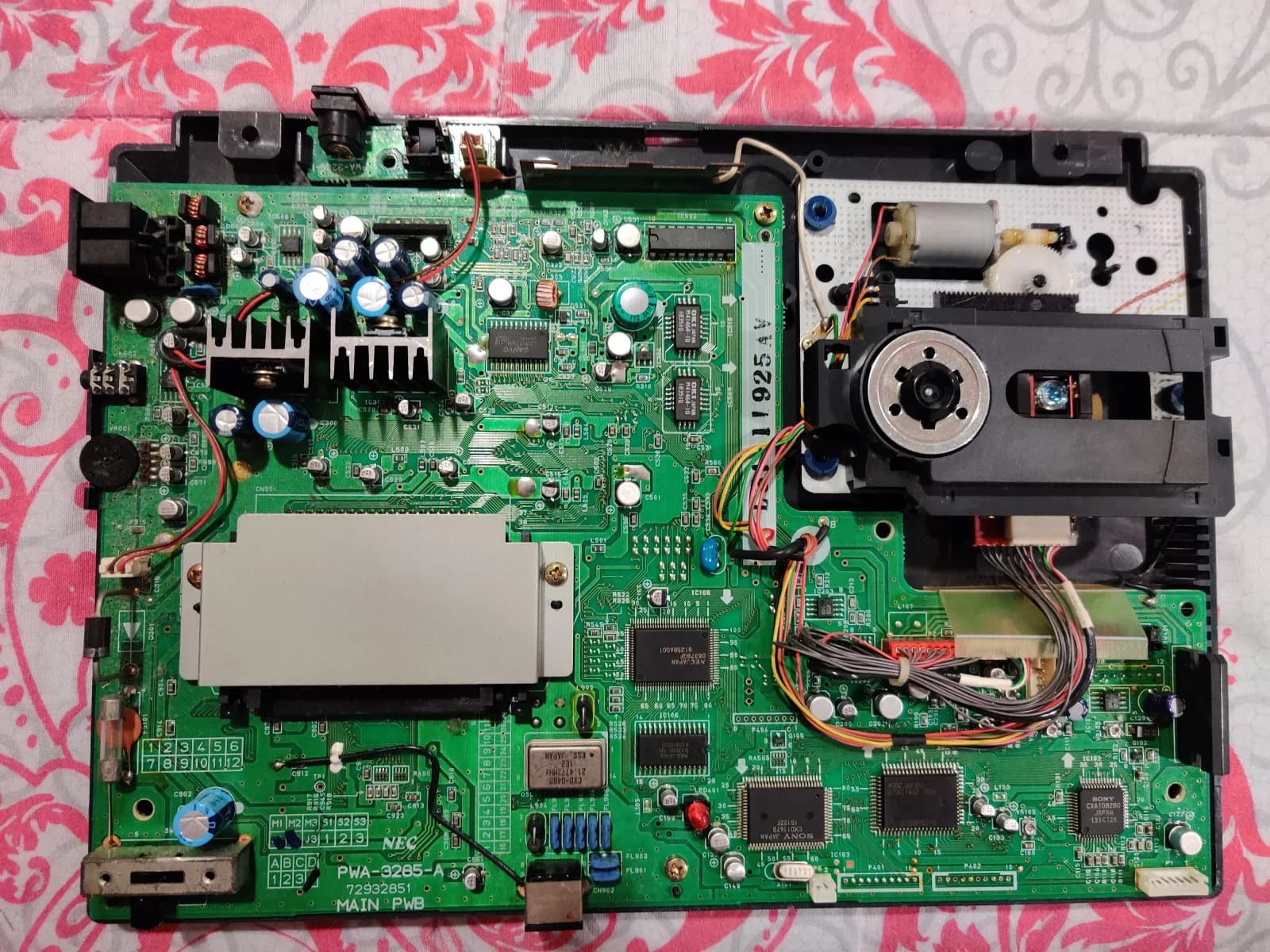
NEC — PC Engine Duo
A second Duo with the same grime and leakage, but this one read discs poorly as well. Tuning the pots got original discs reading reliably yet left the disc audibly rubbing, so a new HOP-M3 optical pickup went in and the pots went back to their marked factory positions. A charred lid switch was replaced and the console was RGB modded.
 +16 photosSuccessful repair
NEC — PC Engine Duo
Leakage everywhere and audio to match, recorded before and after. The board was fully depopulated, the pads treated and then recapped with a Console5 kit including a new supercapacitor. Later given an early RGB mod, done by cutting the DIN pin rather than a trace on the board.
 +16 photosSuccessful repair
SNK — Neo Geo CD
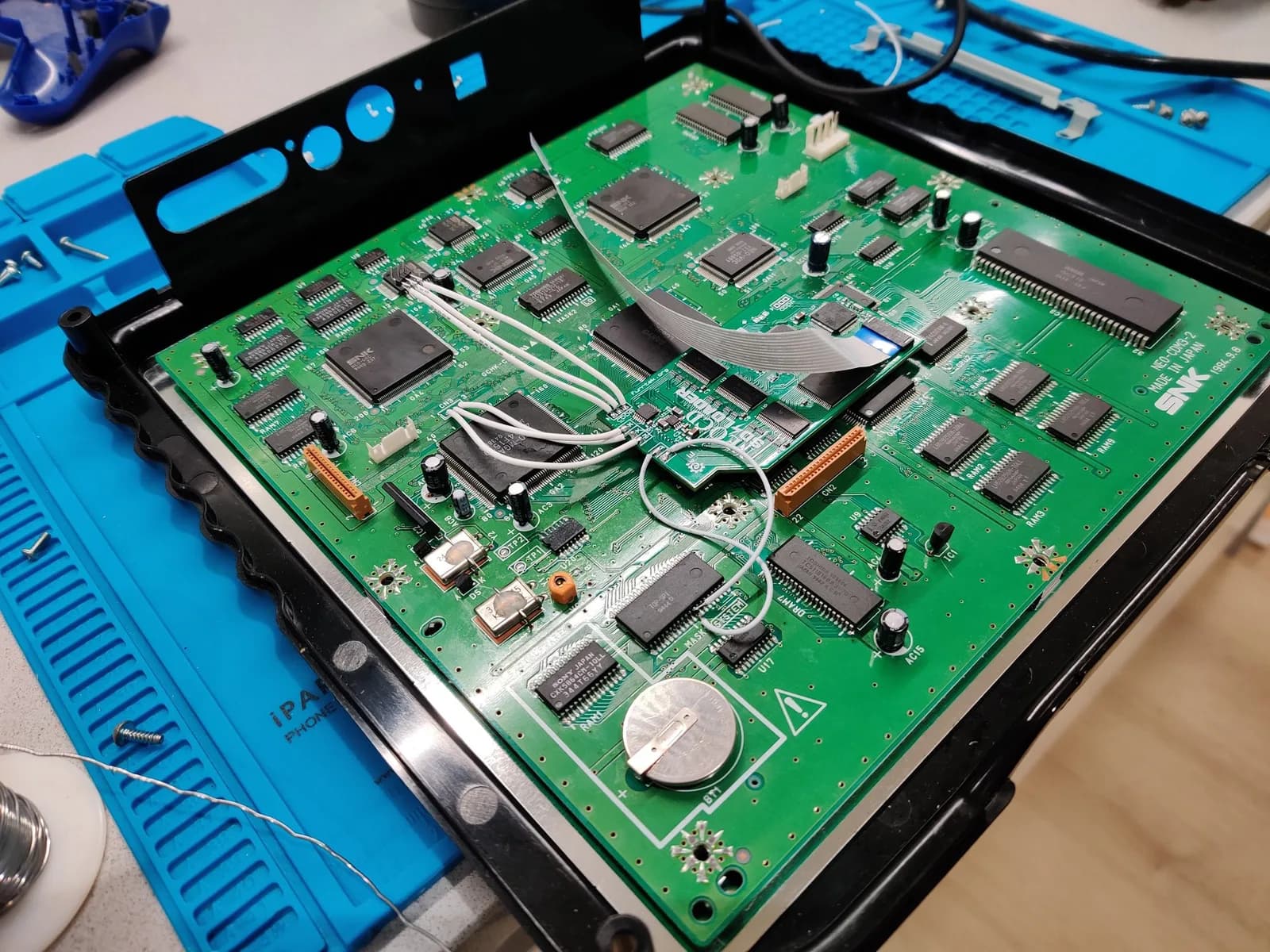
A cheap Neo Geo CD from 2021, recapped board by board: the AV and power board, the optical drive PCB, the mainboard and the original PSU. Later fitted with a NEO SD Loader to take the load off the drive, and an F-RAM save mod after it stopped holding saves even with a fresh battery.
 +12 photos
Sega — Game Gear
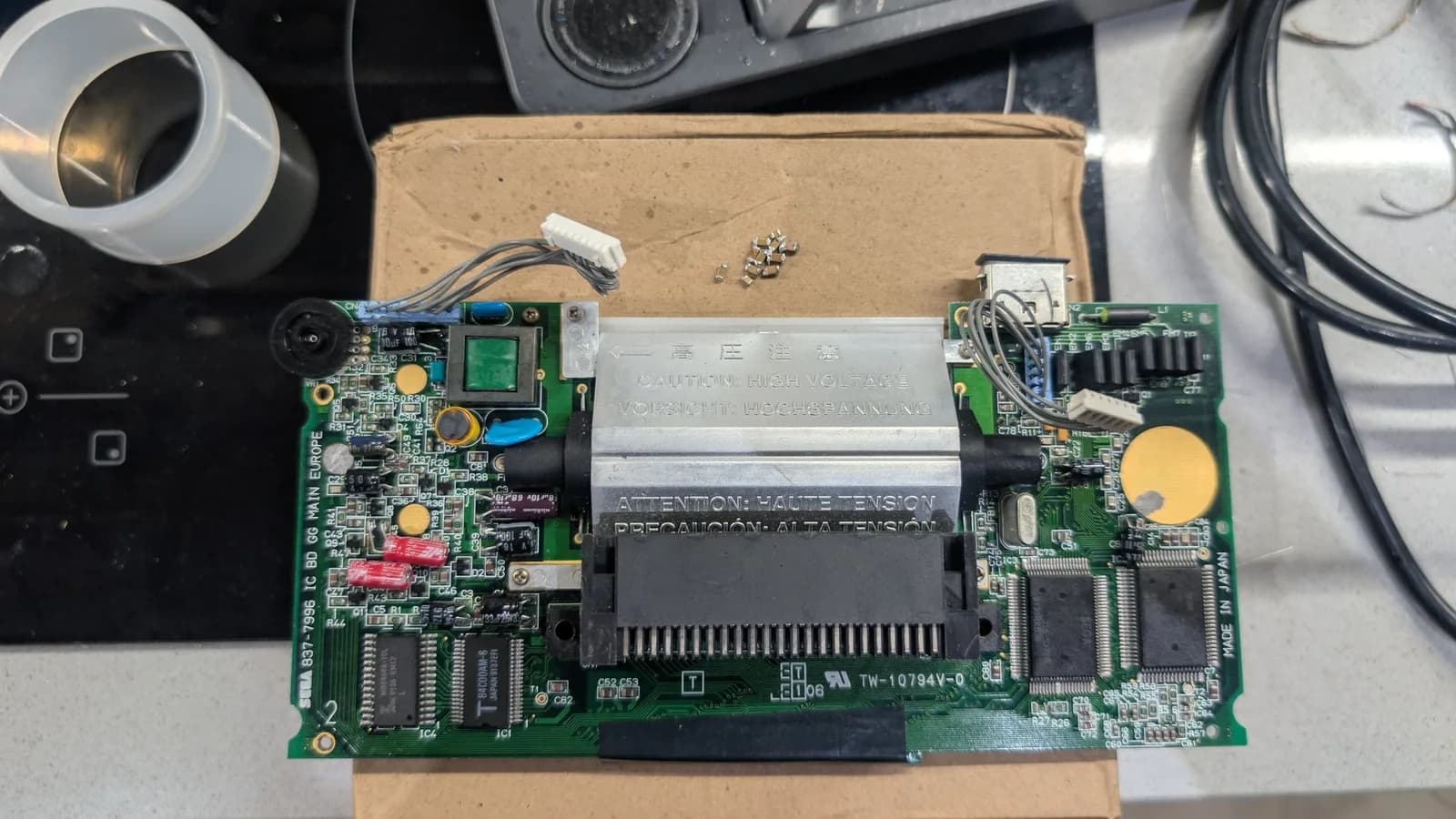
The first Game Gear, bought in 2020 as working and arriving with a black screen: it powered on and did nothing else. The solder had gone dull, which was the capacitors leaking rather than anyone's bad workmanship. A recap brought the picture back, but it was done with a RetroSix ceramic cap kit, a mistake corrected years later. Audio stayed dead until a break in continuity between two capacitors on the audio board was bridged with a snipped capacitor leg. It was later fitted with rechargeable cells charged over USB-C, and a Syf audio board with improved grounding. In 2025 the ceramics finally came out for proper electrolytics, and both of those mods moved across to an IPS-screen unit so this one could go back to stock.
