Unit boots but produces no picture on the display.
8 repair logs
 +49 photosSuccessful repair
Sony — PlayStation
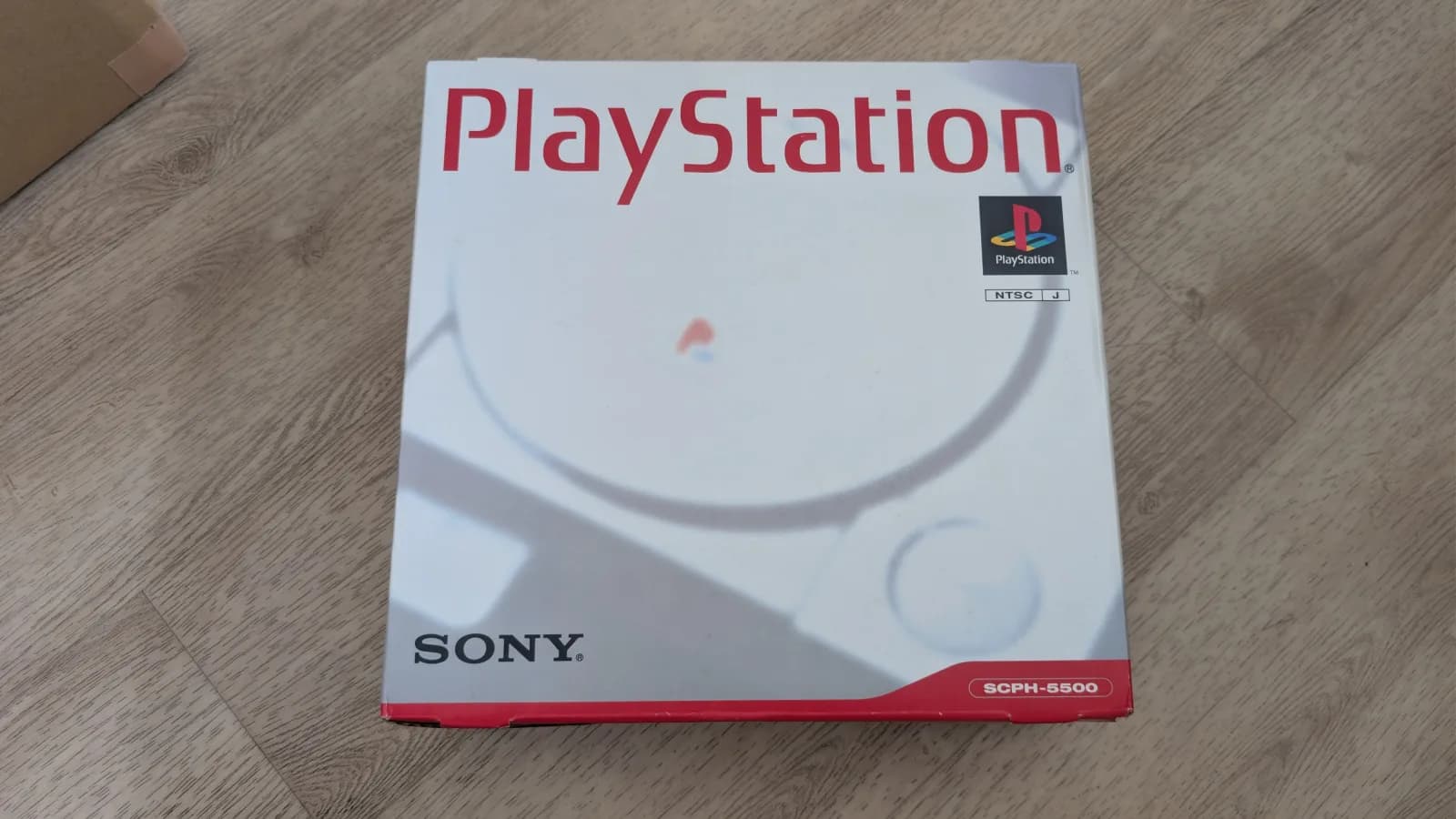
Imported NTSC-J PlayStation sent in for the full works: xStation, MFO and X-Reset installs, plus a recap and a clean. Board and PSU recaps went in without trouble, then the console came up dead, no video and no audio, once the mods were fitted. The MFO had been wired to a pad that is ground on one board revision but not on this PU-18, which shorted the 3.5V rail and blew the PS604 fuse. Rewired correctly and refitted with a fuse taken from another console, with the surrounding fuses and ferrite beads checked for further damage. Finished with a controller clean and recap, lubrication and UV protectant.
 +34 photosSuccessful repair
NEC — PC Engine LT
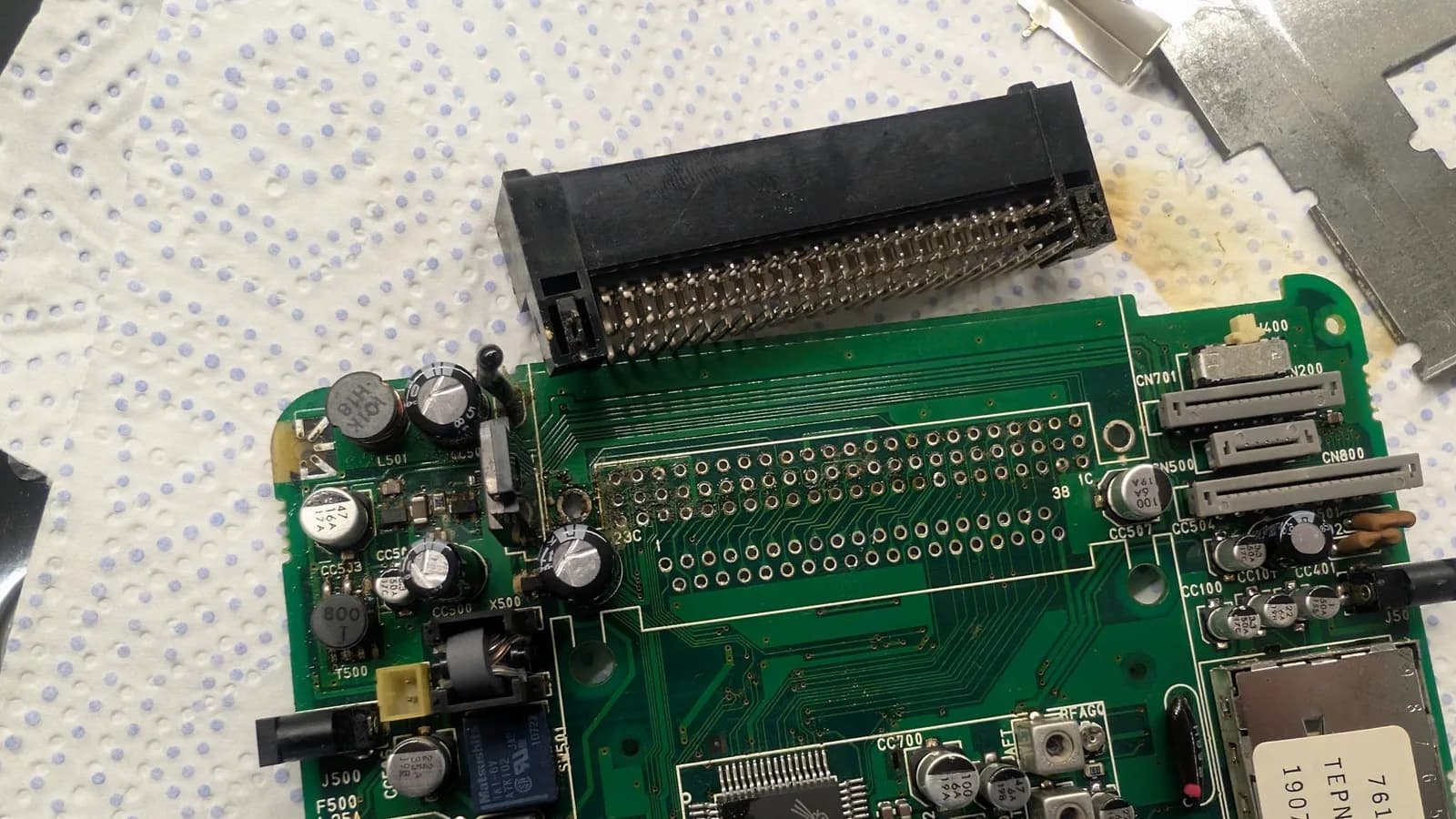
An epic of strife, perseverance and adaptation. The NEC PC Engine LT is the 1991 laptop-format PC Engine with a built-in colour LCD. Almost always dead from cap leakage. This one needed a full recap, a new voltage regulator, and an off-the-shelf voltage inverter module to replace the T500 LCD bias transformer, killed by the electrolyte. Without that, the screen stays dark.
 +55 photosCould not fix
Sharp — X68000
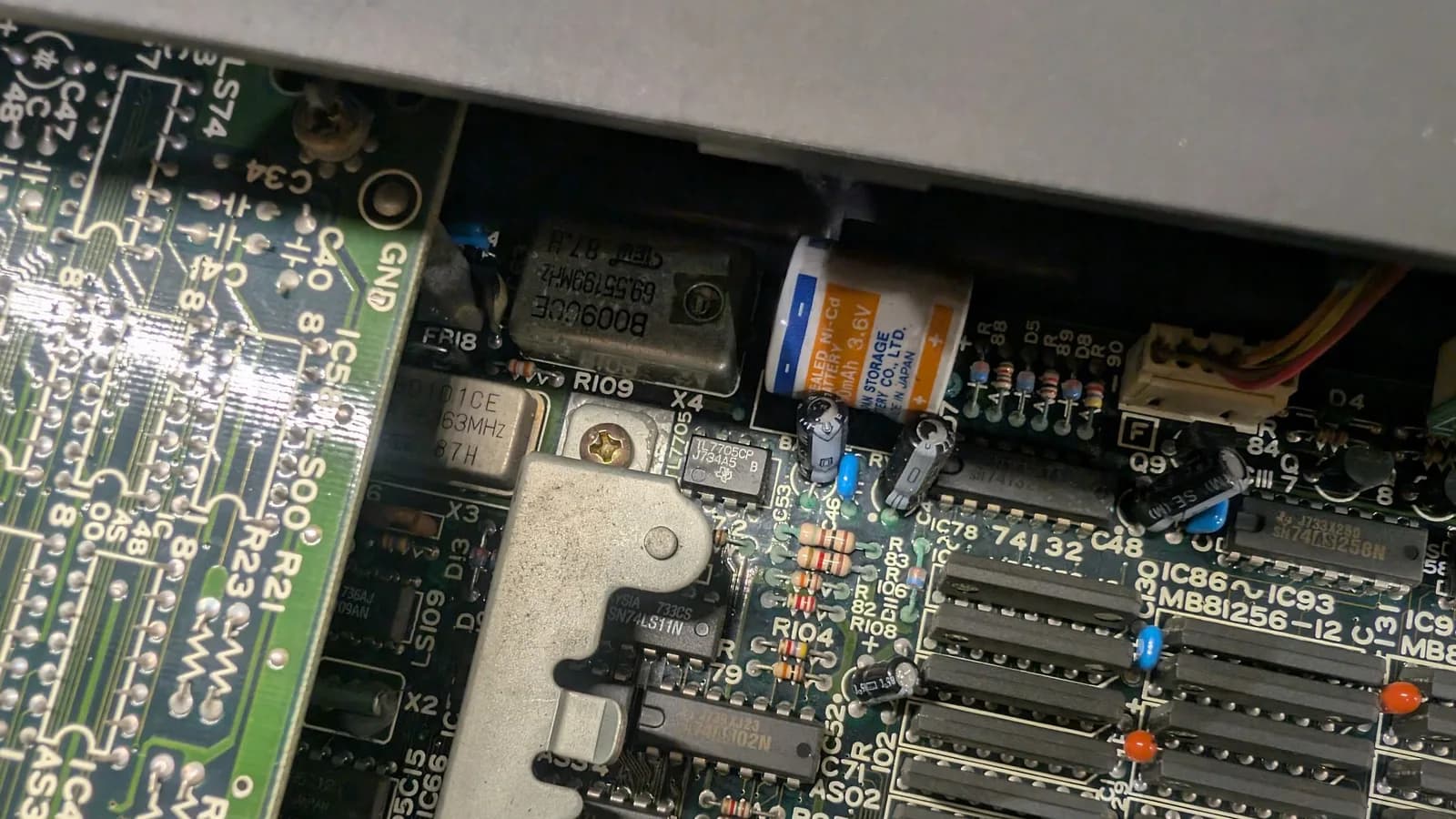
A proper exercise in stubbornness on this Sharp X68000. Two rounds of repair, a full recap, FDD surgery (one of the floppy drives had clear signs of a blown capacitor with charring on the PCB), a new oscillator, and still no picture. The X68000 remains on the 'future date' pile.
 +40 photosPartial fix
Sharp — X68000 Pro II
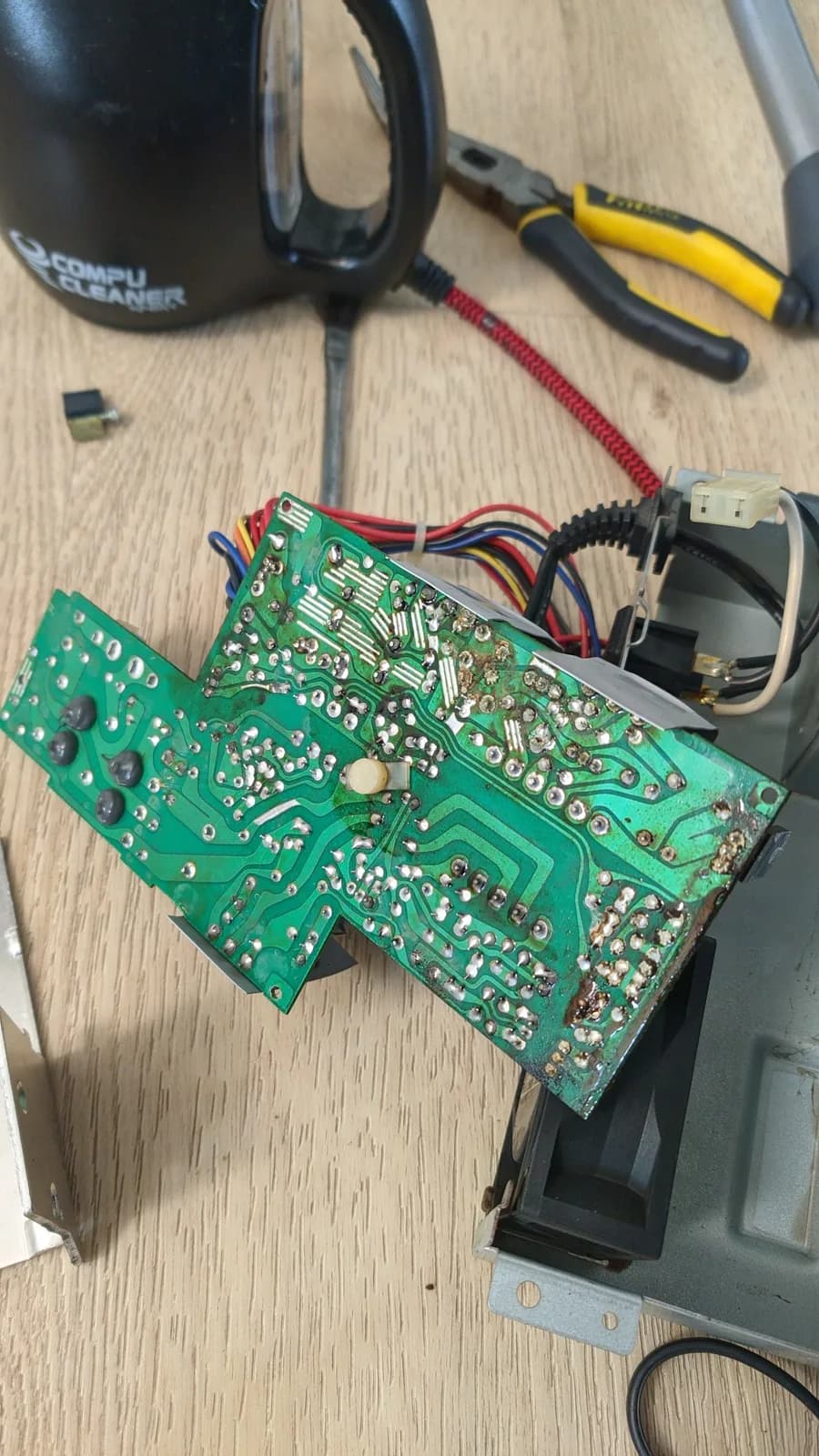
Proper saga on this Sharp X68000 Pro II. Magic smoke from a reversed capacitor, an accidental probe short, and enough replaced components to fill a parts drawer before a single faulty transistor finally gave the game away. Got it booting and running R-Type, which was a hard-earned win. Video output later stopped working, so the story isn't entirely over.
 +17 photosSuccessful repair
Sega — Game Gear
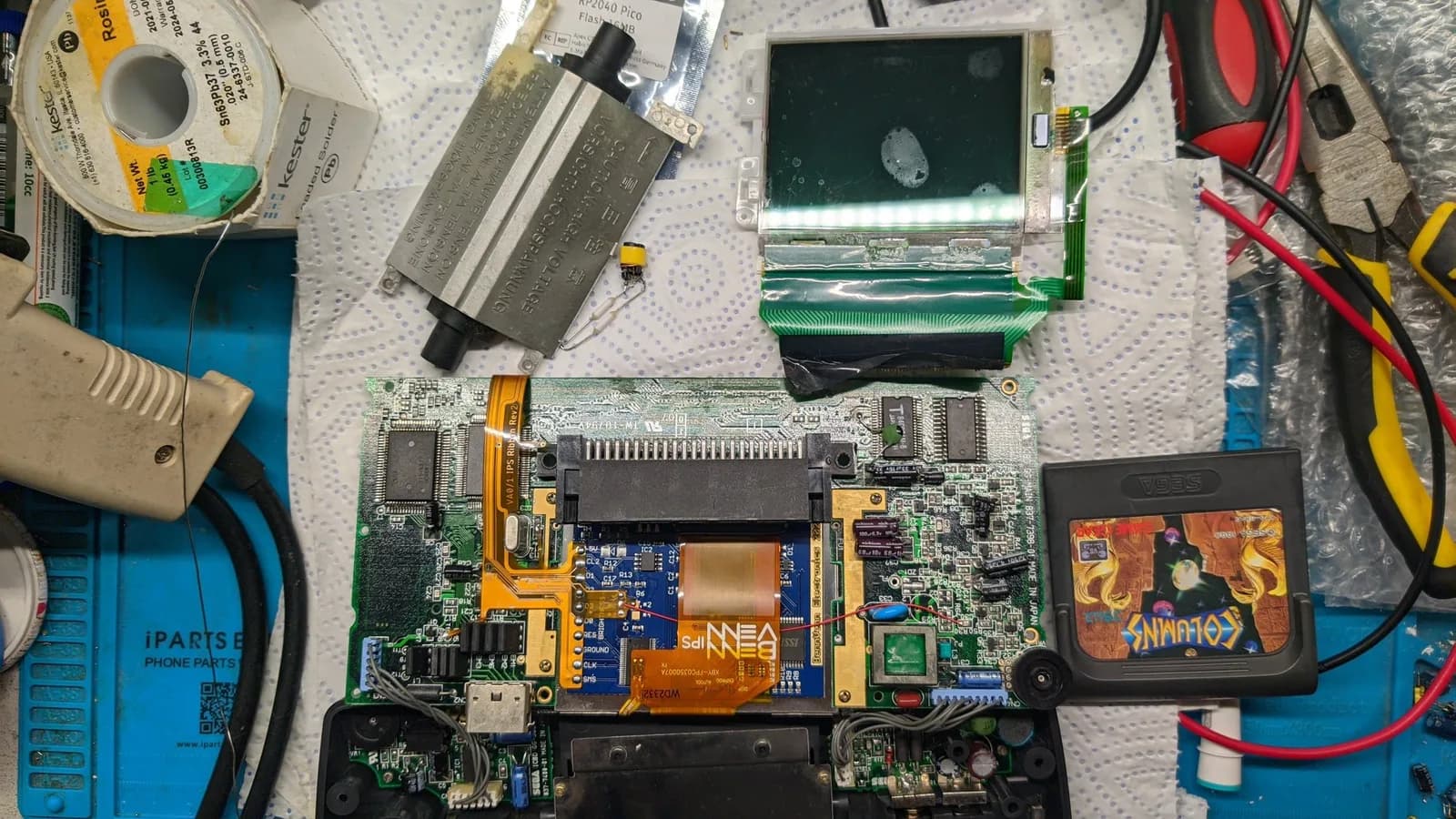
This Japanese Sega Game Gear went through a lot: a full IPS LCD mod with speaker upgrade, FM sound module and glass lens, then a trip to the floor courtesy of a curious one-year-old that tore the flex cables. A clock-line bodge wire and a barely-surviving TP10 pad later, everything was restored.
 +15 photosPartial fix
Sega — Game Gear
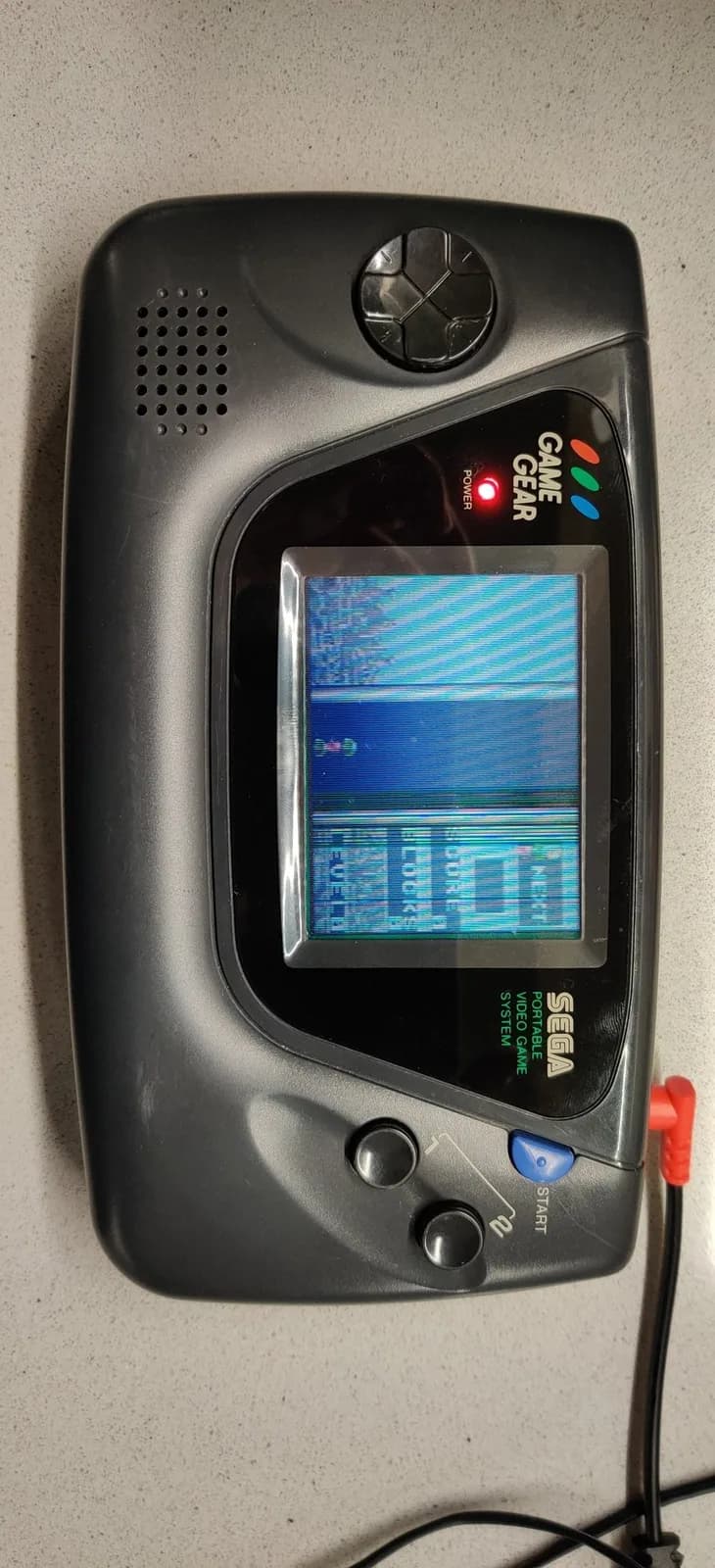
Two heavily contaminated Sega Game Gears, so badly that components were falling off the boards from the electrolyte. Many hours in, one has a partially defective screen and the other boots and plays audio with no picture. A partial result after a massive effort.
 +14 photosSuccessful repair
Nintendo — Game Boy Color
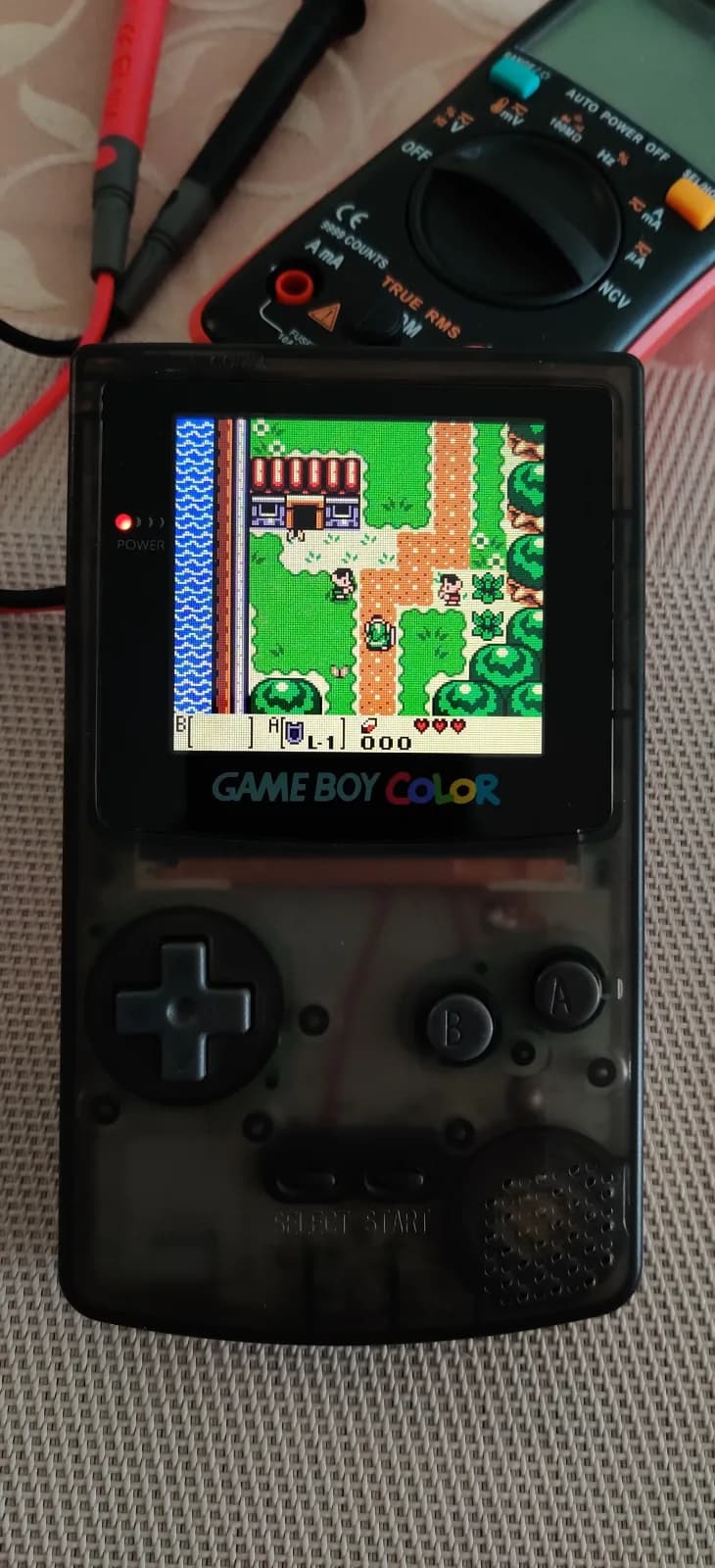
Two pixel-effect IPS kits, bought from RetroSix in October 2021 to upgrade the clear smoke Game Boy Color, both arrived unable to display video. Support's suggestion was to buy a second kit to test, and when that one failed too the answer was that there was no way two kits could be broken. A friend's unmodded Game Boy Color, recapped along the way, ruled the console out. The first kit turned out to have an LCD flex connector that was never properly soldered to its pads, and touching up those joints made it run reliably, which in turn proved the second kit's display was good and its PCB was not. The findings went back to RetroSix and got no reply.
 +12 photos
Sega — Game Gear
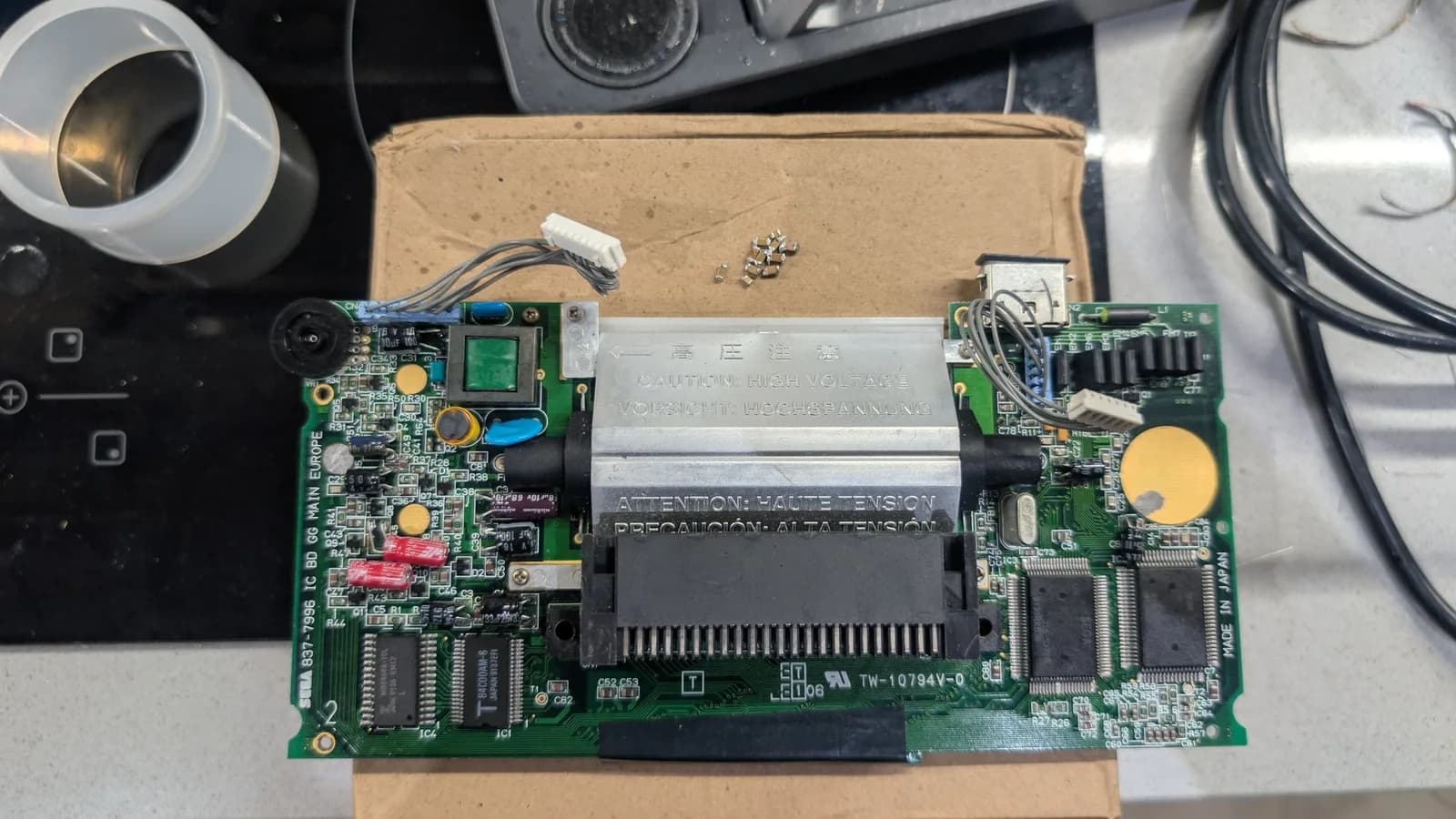
The first Game Gear, bought in 2020 as working and arriving with a black screen: it powered on and did nothing else. The solder had gone dull, which was the capacitors leaking rather than anyone's bad workmanship. A recap brought the picture back, but it was done with a RetroSix ceramic cap kit, a mistake corrected years later. Audio stayed dead until a break in continuity between two capacitors on the audio board was bridged with a snipped capacitor leg. It was later fitted with rechargeable cells charged over USB-C, and a Syf audio board with improved grounding. In 2025 the ceramics finally came out for proper electrolytics, and both of those mods moved across to an IPS-screen unit so this one could go back to stock.
