Replacing failed discrete components: diodes, transistors, oscillators, optocouplers, RAM and logic ICs.
9 repair logs
 +49 photosSuccessful repair
Sony — PlayStation
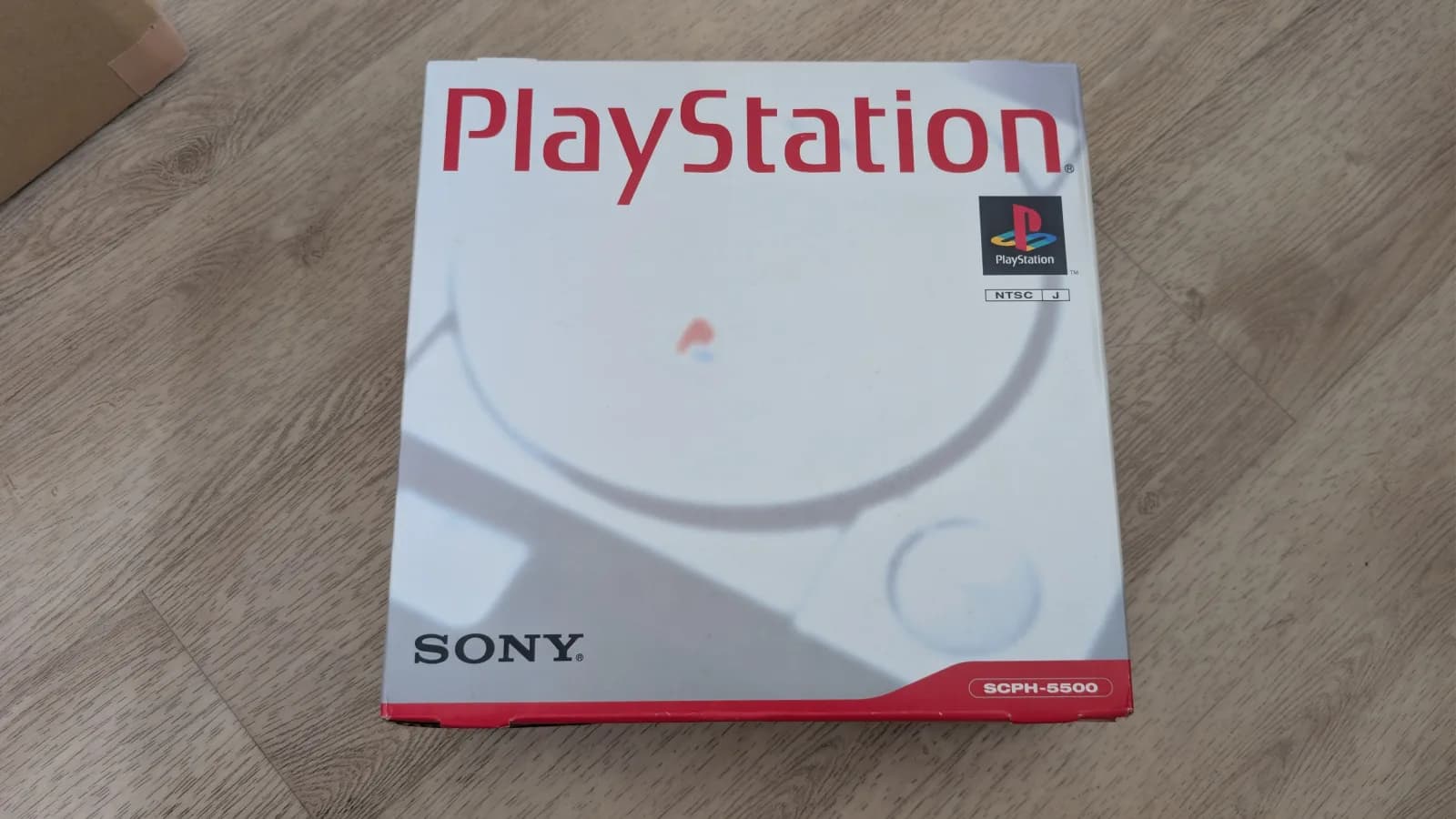
Imported NTSC-J PlayStation sent in for the full works: xStation, MFO and X-Reset installs, plus a recap and a clean. Board and PSU recaps went in without trouble, then the console came up dead, no video and no audio, once the mods were fitted. The MFO had been wired to a pad that is ground on one board revision but not on this PU-18, which shorted the 3.5V rail and blew the PS604 fuse. Rewired correctly and refitted with a fuse taken from another console, with the surrounding fuses and ferrite beads checked for further damage. Finished with a controller clean and recap, lubrication and UV protectant.
 +55 photosCould not fix
Sharp — X68000
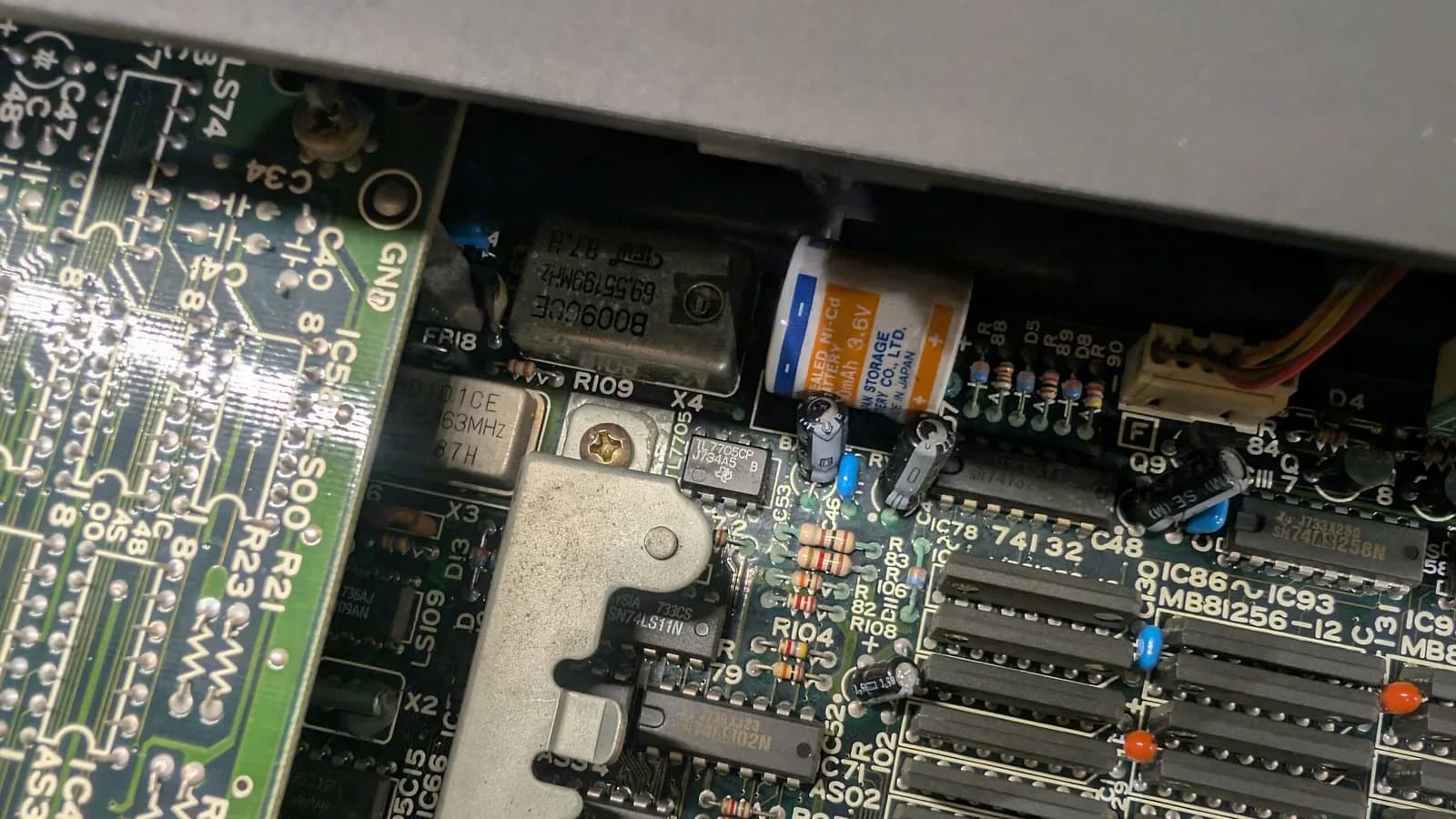
A proper exercise in stubbornness on this Sharp X68000. Two rounds of repair, a full recap, FDD surgery (one of the floppy drives had clear signs of a blown capacitor with charring on the PCB), a new oscillator, and still no picture. The X68000 remains on the 'future date' pile.
 +135 photosPartial fix
Sega — Wondermega
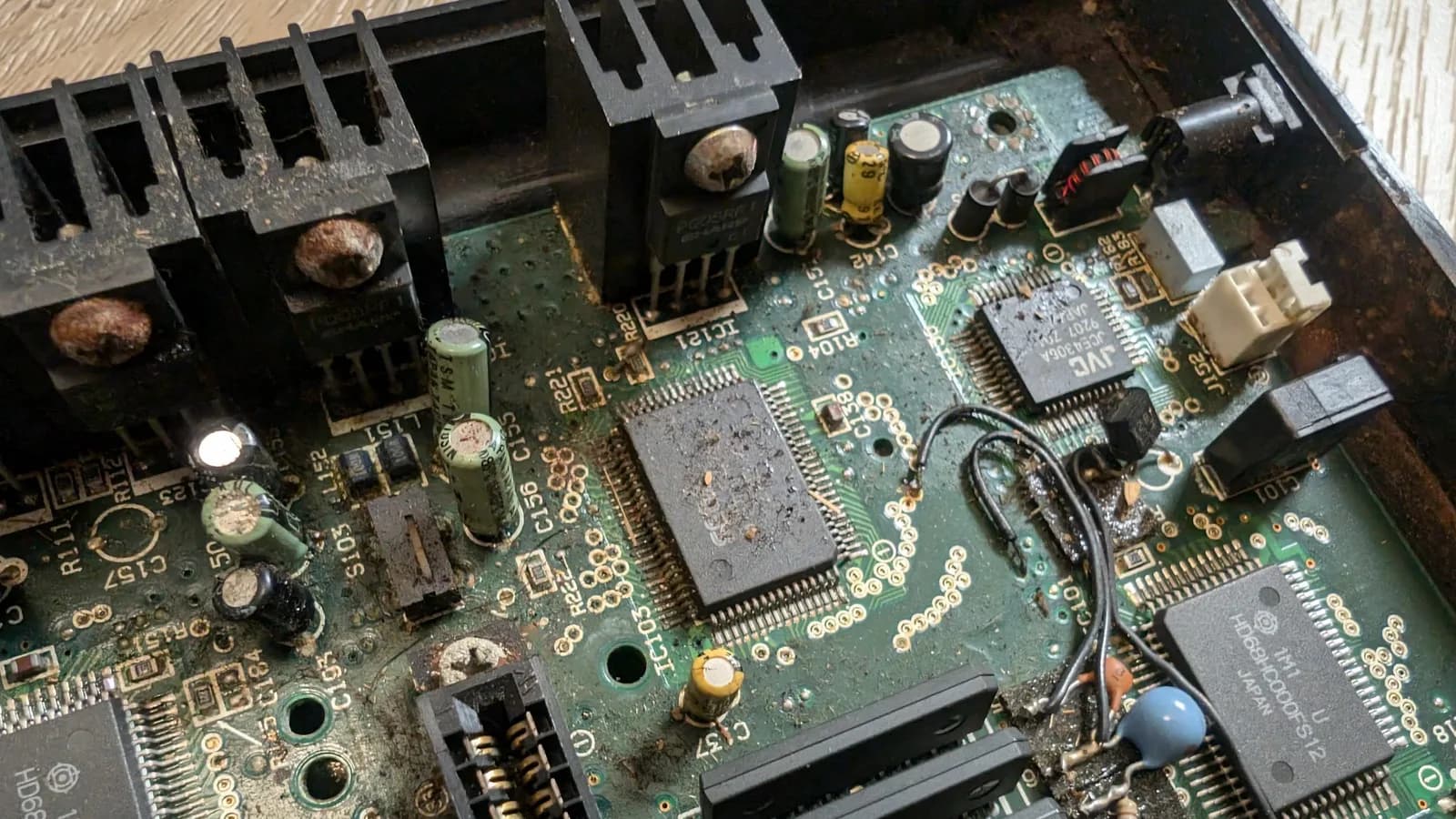
Absolute labour of love on this Sega Wondermega HWM-5010 from Japan: corrosion, missing components, broken traces and a RAM package with broken legs. The Mega Drive side eventually came back to life; the Mega-CD side continues to freeze on the BIOS animation, defying everything thrown at it.
 +40 photosPartial fix
Sharp — X68000 Pro II
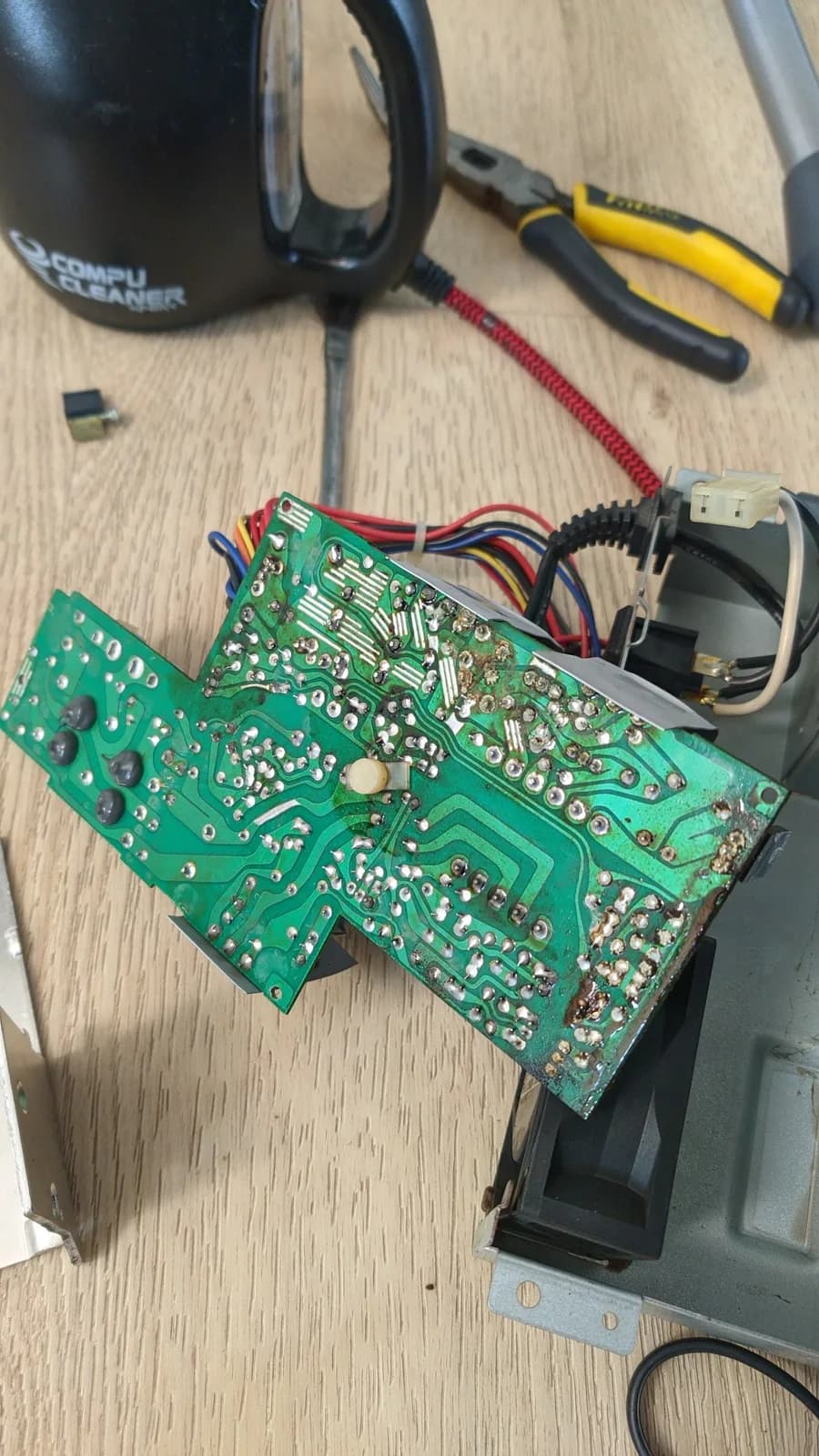
Proper saga on this Sharp X68000 Pro II. Magic smoke from a reversed capacitor, an accidental probe short, and enough replaced components to fill a parts drawer before a single faulty transistor finally gave the game away. Got it booting and running R-Type, which was a hard-earned win. Video output later stopped working, so the story isn't entirely over.
 +31 photos
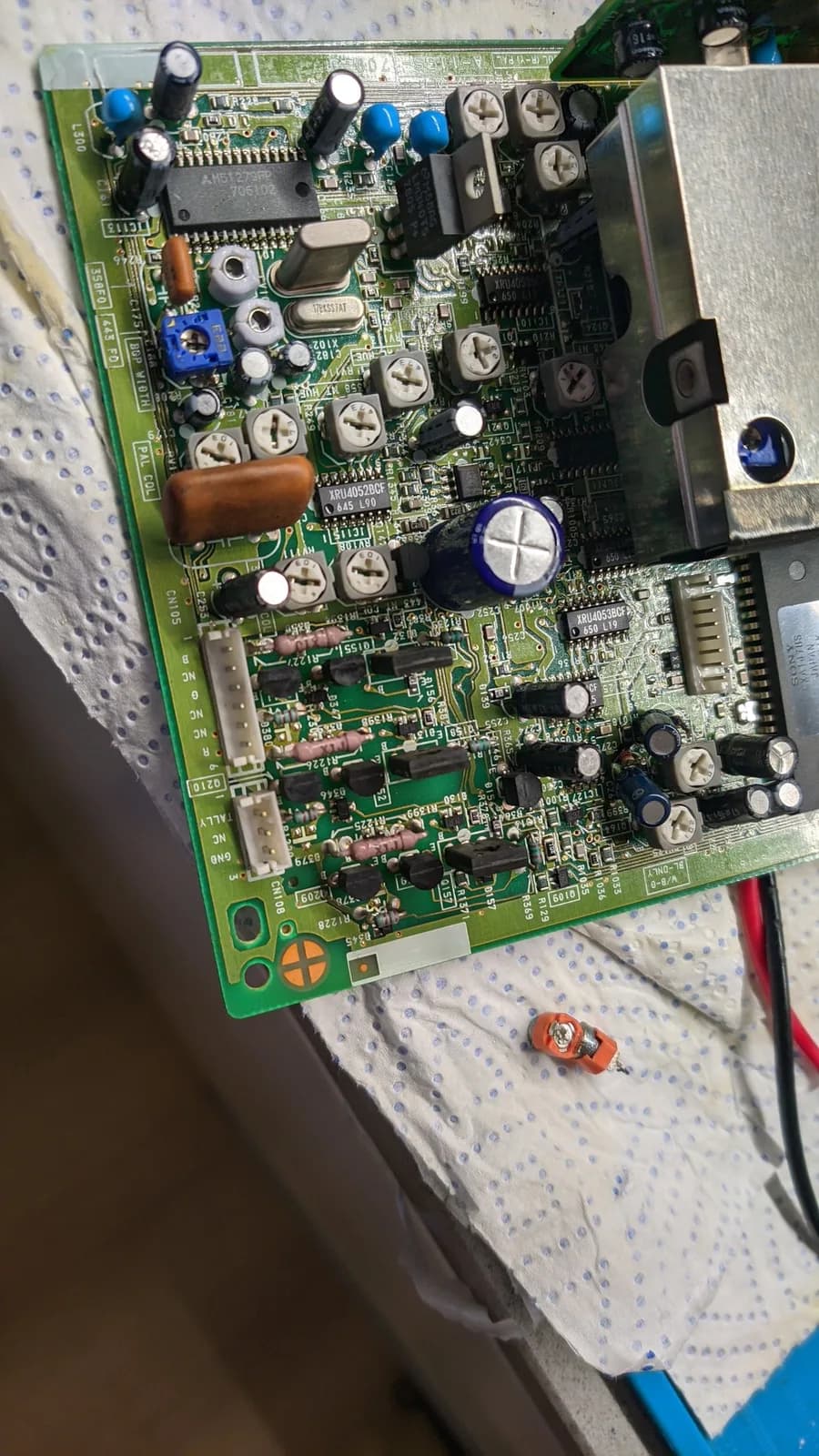
Sony — PVM-9041Q
9-inch Sony PVM-9041Q Trinitron that arrived in a flight case. PSU recapped, colour trimmer pots replaced, deflection board done alongside its 9045QD sibling.
 +45 photosSuccessful repair
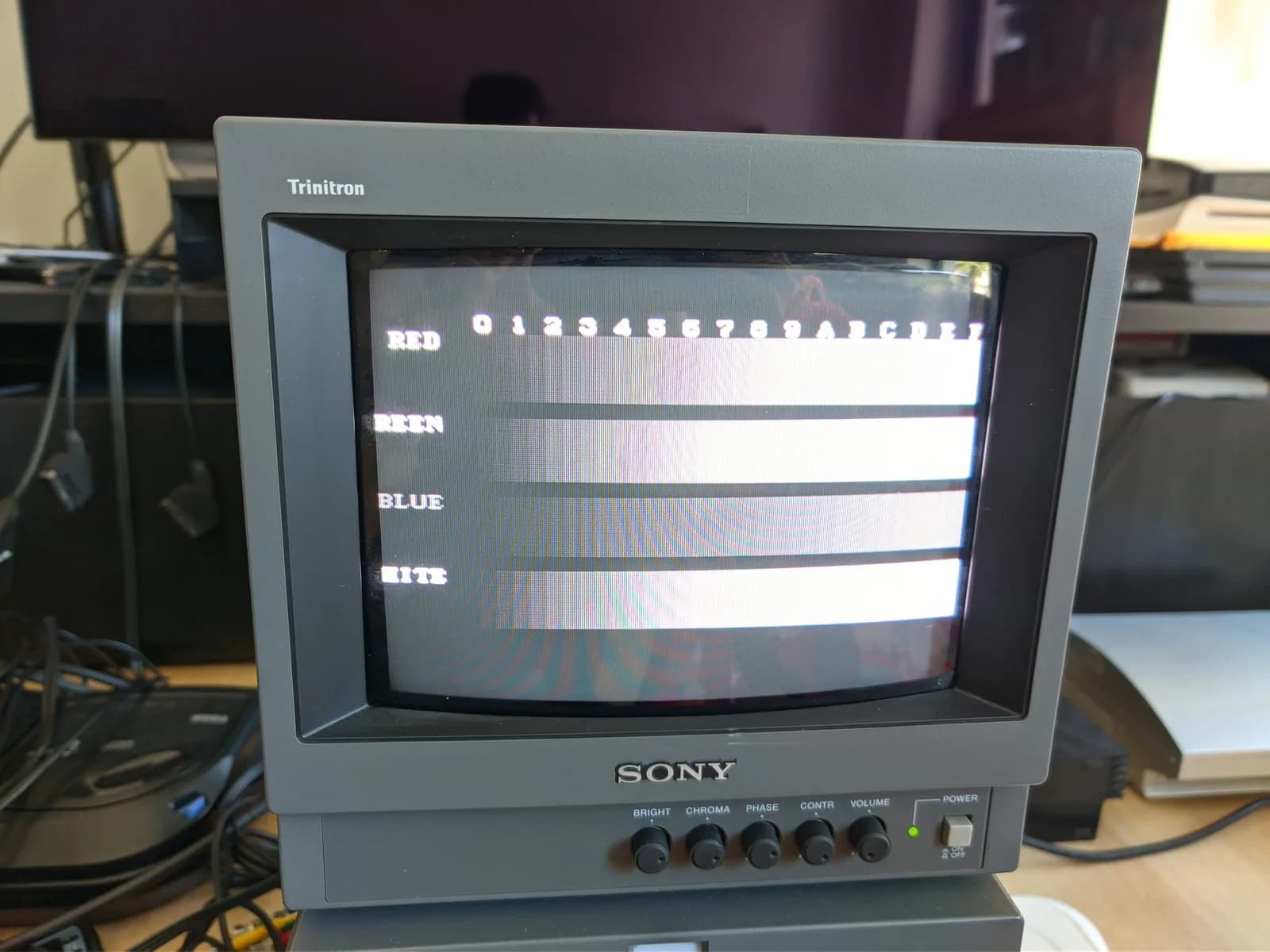
Sony — PVM-9040
Three 9-inch Sony PVM-9040s that arrived from Japan with customs drama. Monitors were fine inside, bar a known colour issue fixed by replacing the trim pots (which fixes the black-and-white-only fault). Full restoration across all three followed.
 +5 photosSuccessful repair
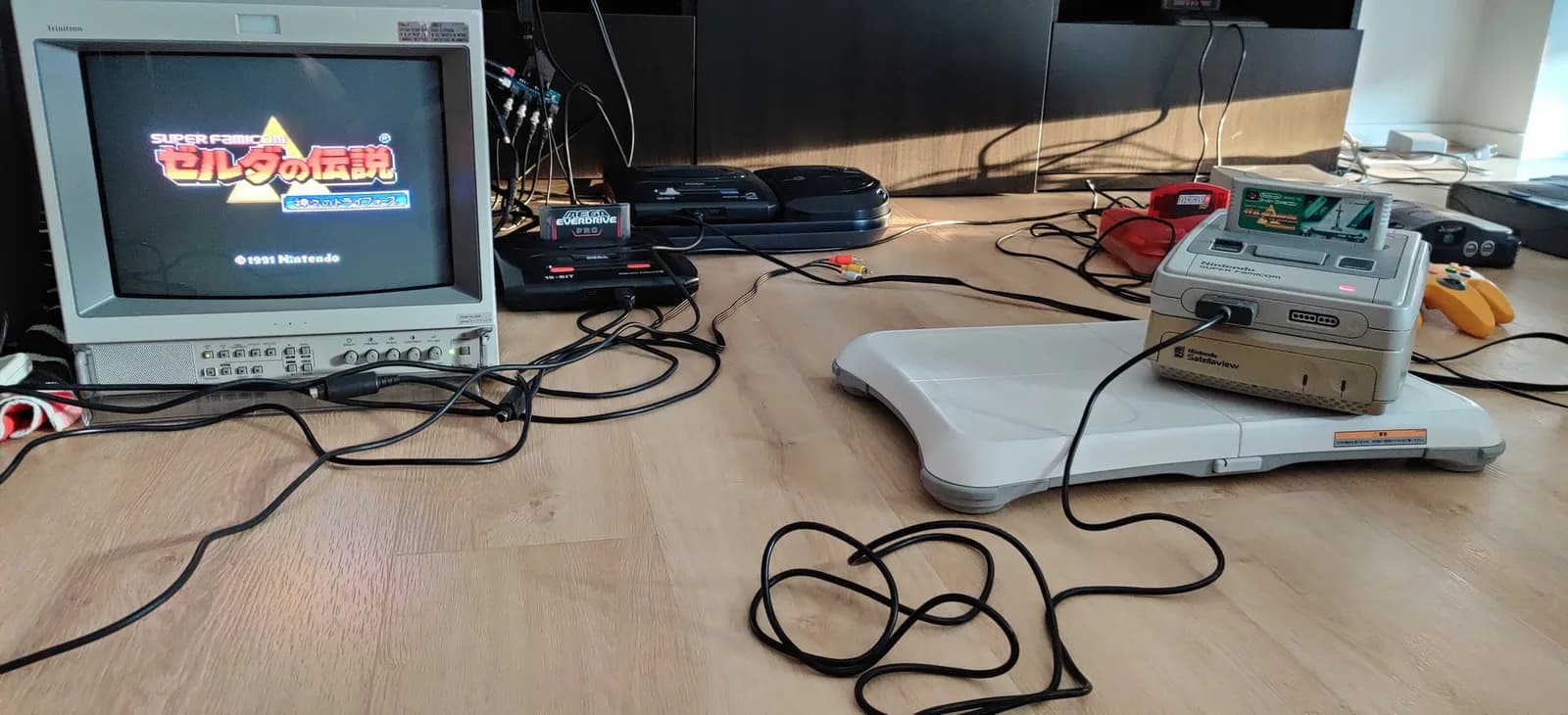
Nintendo — Super Famicom
This Nintendo Super Famicom (SHVC-001) would not power on due to a failed D1 diode. Tracing and replacing it, plus a recap, had the console booting again.
 +2 photosSuccessful repair
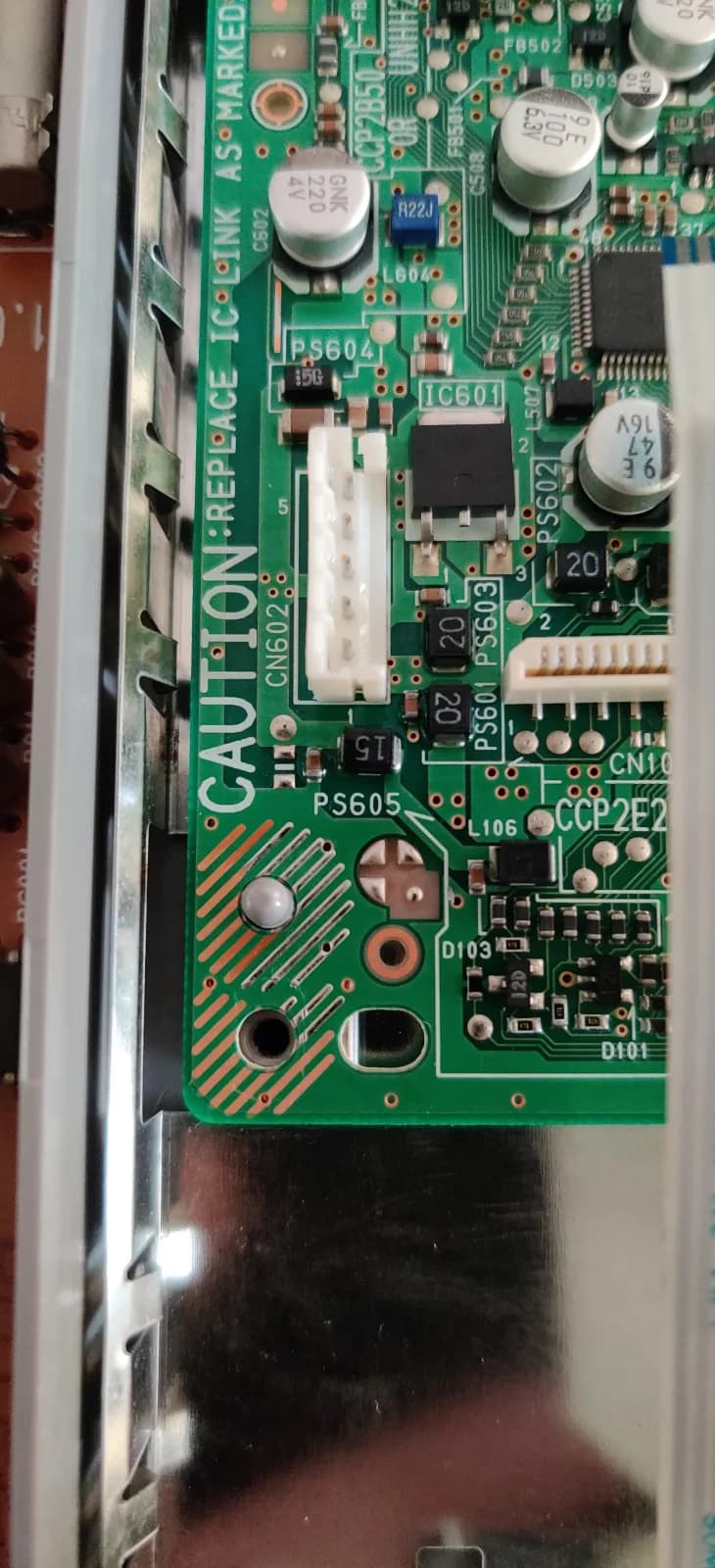
Sony — PlayStation
Controller ports on this PAL PlayStation had stopped working, and the fault traced to a blown fuse. It was replaced using the fuse pulled from the NTSC unit whose PSU had gone up in smoke that same evening, and a new part went into that console.
 +4 photosSuccessful repair
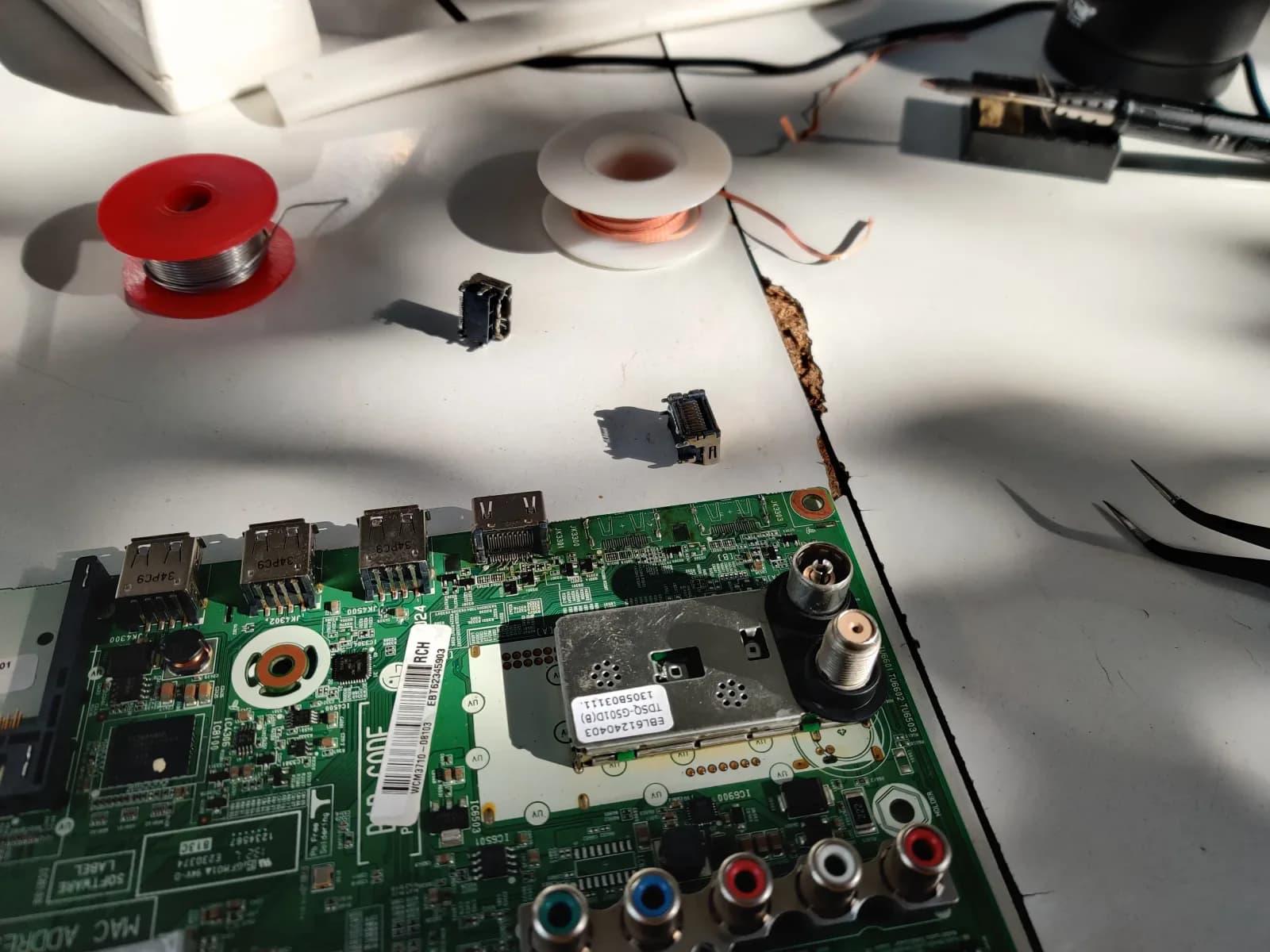
HDMI ports on the family LG TV failing one after the other, most likely years of cable weight stressing the joints. Both were desoldered and replaced with OEM parts, an intimidating job at the time. The parts were pricey and scarce enough that the repair was not really economical, so a complete board from a compatible but cheaper model was tracked down afterwards and kept as a spare.
